1933 Hispano-Suiza J12 Pourtout
Chassis: 23452
Pourtout Coach Bodywork Fitted in 1970s
32k Kilometers (~20k Miles) Shown, TMU
9,425cc OHV V12
Dual Scintilla Magnetos
Uninstalled & Disassembled Three-Speed Gearbox
Tan & Mahogany Paint
Tan Leather Upholstery
18" Painted Wire Wheels
Dual Side-Mount Spare Covers
Servo-Assisted Mechanical Drum Brakes
Collection of Uninstalled Parts
This Hispano-Suiza J12 is one of approximately 120 chassis built between 1932 and 1938 and is believed to have been built at the company’s Barcelona facility before its assembly was paused for unknown reasons. Chassis 28452 is said to have remained incomplete and without bodywork for several years before being sold in 1965 and later fitted with a transmission in 1975. In 1976, it was outfitted with a coach body that is said to have been originally built by Carrosserie Pourtout for use on a Hispano-Suiza H6B chassis. After its completion, the car spent several years in Johan von Raben-Levetzau’s auto museum in Aalholm Castle in Denmark before being sold in 1989 to a Michigan collector who moved it to the US. In 1991, it was purchased by a marque collector who kept it in storage for 34 years while reportedly removing some of its parts for use in the repair of other Hispano-Suizas. After changing hands in 2025, the car was purchased by the selling dealer one month ago. Finished in tan and mahogany, the car is equipped with a 9,425cc OHV 60º V12, twin-plug ignition with dual Scintilla magnetos, mechanically actuated four-wheel drum brakes designed with servo assistance, 18” wire wheels, and tan leather interior upholstery. A collection of uninstalled parts includes the case and various components from a disassembled three-speed manual transmission. This Pourtout-bodied J12 is now offered as a non-running project at no reserve in North Salem, New York, with a Pennsylvania title describing the car as a 1933 model.
The J12 was introduced at the 1931 Paris Motor Show as a successor to the H6 platform and was propelled by the first V12 production engine designed by Hispano-Suiza chief engineer Marc Birkigt. Like the H6 variants, the J12 was built in rolling chassis form at the company’s Paris, France, branch before being outfitted with bodywork from the buyer’s coachbuilder of choice. This example is said to have remained unfinished in period and bears an out-of-sequence chassis number.
Finished in tan and mahogany, the two-door coach body is said to have been built in the early 1930s for a 1924 H6B by Pourtout in Bougival, France, before being fitted to this chassis in the 1970s. Features include Marchal headlights, a stork radiator mascot, a centrally hinged hood with five vent doors on each side, rear-hinged doors, an integrated trunk, rear quarter bumpers, and dual exhaust outlets.
Black-painted wire wheels wear bright center caps and are wrapped in 7.00-18 Denman wide-whitewall tires. Dual side-mount spare covers are finished in mahogany and carry side mirrors. The J12 was equipped with four-wheel aluminum drum brakes with mechanical actuation assisted proportionately to speed of travel by a gearbox-driven servo. Drums are in place at each of this example’s wheels, but linkages and other components are absent.
The cabin is trimmed in tan leather over front bucket seats and a rear bench with matching upholstery over the door panels. Additional features include a color-matched headliner and carpeting, wood door caps, roll-up windows, and door pockets. The pedals, shifter, brake lever, and window crank handles are not present, and loose wiring is visible under the dashboard.
The four-spoke steering wheel sits to the right of a wood dashboard with an aluminum bezel hosting Jaeger instrumentation including a 150-km/h speedometer, an 8,500-rpm tachometer, a clock, and gauges monitoring amperage, fuel level, and oil pressure. The five-digit odometer shows 32k kilometers (~20k miles), and chassis mileage is unknown. A VDO coolant temperature gauge is in place at the right of the dash.
Like previous Hispano-Suiza automotive engines, the 9,425cc OHV V12 shared design principles with Marc Birkigt’s aviation powerplants and incorporated aluminum monobloc cylinder and head castings, an aluminum crankcase, and a seven-main-bearing crankshaft. Induction was via dual downdraft carburetors, and ignition was handled by dual magnetos and SEV distributors feeding two spark plugs per cylinder. Output was factory rated at 220 horsepower at 3k rpm. This example is missing its carburetors and various ancillary components, while the state of the internal components is unknown. The crankcase is stamped with number M28542-543 and a date code of February 22, 1933, while the engine oil fill cap is stamped with engine number 321037. It is noted that the latter number also appears on the engine of another surviving J12 chassis.
The chassis is equipped with solid axles and leaf springs at front and rear.
A collection of parts that accompanies the car includes a three-speed manual transmission with various disassembled gears and shafts. Also included are a set of wire wheels without hubs and an assortment of other parts.
1933 Hispano-Suiza J12 Pourtout
Chassis: 23452
Pourtout Coach Bodywork Fitted in 1970s
32k Kilometers (~20k Miles) Shown, TMU
9,425cc OHV V12
Dual Scintilla Magnetos
Uninstalled & Disassembled Three-Speed Gearbox
Tan & Mahogany Paint
Tan Leather Upholstery
18" Painted Wire Wheels
Dual Side-Mount Spare Covers
Servo-Assisted Mechanical Drum Brakes
Collection of Uninstalled Parts
This Hispano-Suiza J12 is one of approximately 120 chassis built between 1932 and 1938 and is believed to have been built at the company’s Barcelona facility before its assembly was paused for unknown reasons. Chassis 28452 is said to have remained incomplete and without bodywork for several years before being sold in 1965 and later fitted with a transmission in 1975. In 1976, it was outfitted with a coach body that is said to have been originally built by Carrosserie Pourtout for use on a Hispano-Suiza H6B chassis. After its completion, the car spent several years in Johan von Raben-Levetzau’s auto museum in Aalholm Castle in Denmark before being sold in 1989 to a Michigan collector who moved it to the US. In 1991, it was purchased by a marque collector who kept it in storage for 34 years while reportedly removing some of its parts for use in the repair of other Hispano-Suizas. After changing hands in 2025, the car was purchased by the selling dealer one month ago. Finished in tan and mahogany, the car is equipped with a 9,425cc OHV 60º V12, twin-plug ignition with dual Scintilla magnetos, mechanically actuated four-wheel drum brakes designed with servo assistance, 18” wire wheels, and tan leather interior upholstery. A collection of uninstalled parts includes the case and various components from a disassembled three-speed manual transmission. This Pourtout-bodied J12 is now offered as a non-running project at no reserve in North Salem, New York, with a Pennsylvania title describing the car as a 1933 model.
The J12 was introduced at the 1931 Paris Motor Show as a successor to the H6 platform and was propelled by the first V12 production engine designed by Hispano-Suiza chief engineer Marc Birkigt. Like the H6 variants, the J12 was built in rolling chassis form at the company’s Paris, France, branch before being outfitted with bodywork from the buyer’s coachbuilder of choice. This example is said to have remained unfinished in period and bears an out-of-sequence chassis number.
Finished in tan and mahogany, the two-door coach body is said to have been built in the early 1930s for a 1924 H6B by Pourtout in Bougival, France, before being fitted to this chassis in the 1970s. Features include Marchal headlights, a stork radiator mascot, a centrally hinged hood with five vent doors on each side, rear-hinged doors, an integrated trunk, rear quarter bumpers, and dual exhaust outlets.
Black-painted wire wheels wear bright center caps and are wrapped in 7.00-18 Denman wide-whitewall tires. Dual side-mount spare covers are finished in mahogany and carry side mirrors. The J12 was equipped with four-wheel aluminum drum brakes with mechanical actuation assisted proportionately to speed of travel by a gearbox-driven servo. Drums are in place at each of this example’s wheels, but linkages and other components are absent.
The cabin is trimmed in tan leather over front bucket seats and a rear bench with matching upholstery over the door panels. Additional features include a color-matched headliner and carpeting, wood door caps, roll-up windows, and door pockets. The pedals, shifter, brake lever, and window crank handles are not present, and loose wiring is visible under the dashboard.
The four-spoke steering wheel sits to the right of a wood dashboard with an aluminum bezel hosting Jaeger instrumentation including a 150-km/h speedometer, an 8,500-rpm tachometer, a clock, and gauges monitoring amperage, fuel level, and oil pressure. The five-digit odometer shows 32k kilometers (~20k miles), and chassis mileage is unknown. A VDO coolant temperature gauge is in place at the right of the dash.
Like previous Hispano-Suiza automotive engines, the 9,425cc OHV V12 shared design principles with Marc Birkigt’s aviation powerplants and incorporated aluminum monobloc cylinder and head castings, an aluminum crankcase, and a seven-main-bearing crankshaft. Induction was via dual downdraft carburetors, and ignition was handled by dual magnetos and SEV distributors feeding two spark plugs per cylinder. Output was factory rated at 220 horsepower at 3k rpm. This example is missing its carburetors and various ancillary components, while the state of the internal components is unknown. The crankcase is stamped with number M28542-543 and a date code of February 22, 1933, while the engine oil fill cap is stamped with engine number 321037. It is noted that the latter number also appears on the engine of another surviving J12 chassis.
The chassis is equipped with solid axles and leaf springs at front and rear.
A collection of parts that accompanies the car includes a three-speed manual transmission with various disassembled gears and shafts. Also included are a set of wire wheels without hubs and an assortment of other parts.
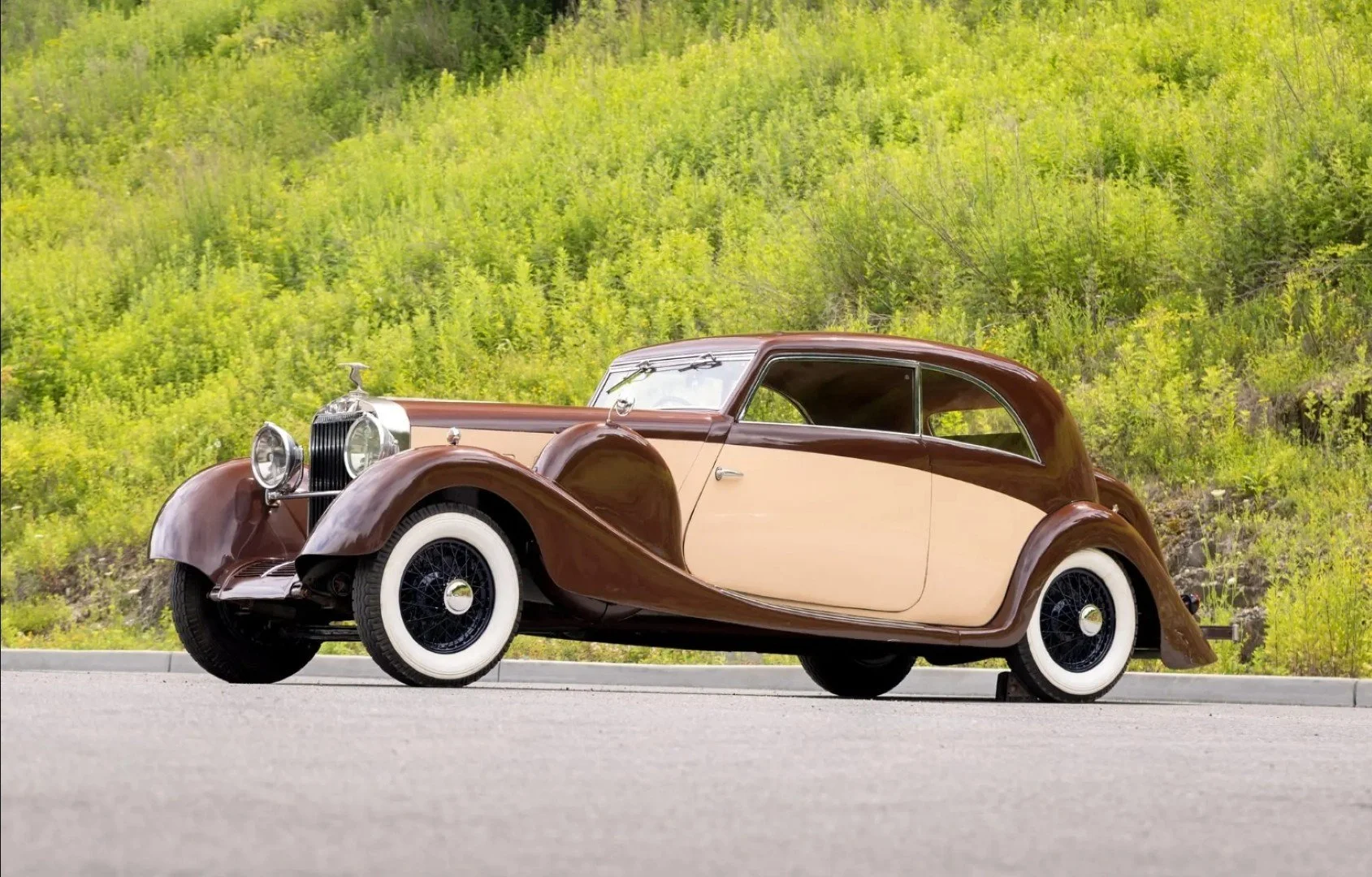 Image 1 of 31
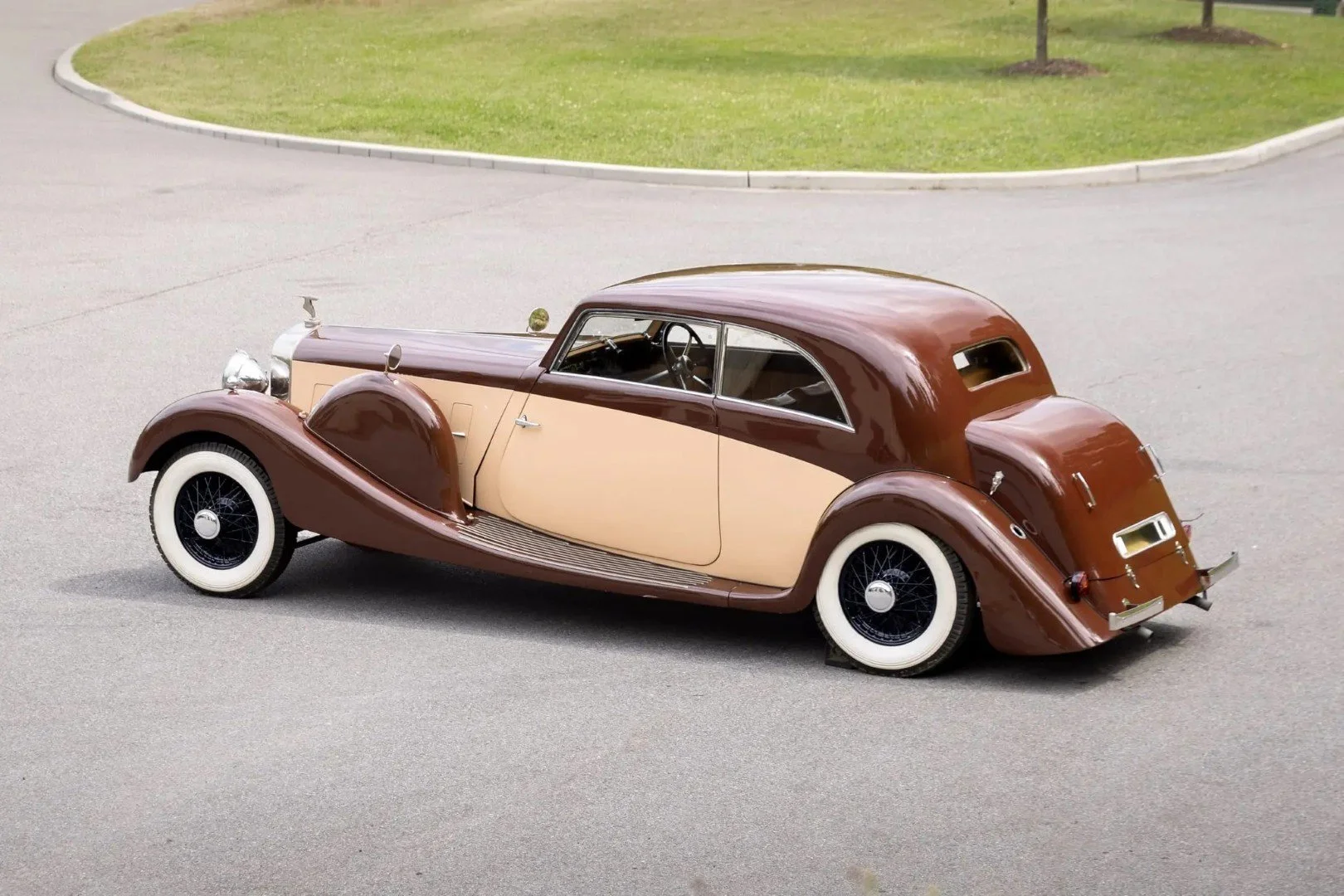 Image 2 of 31
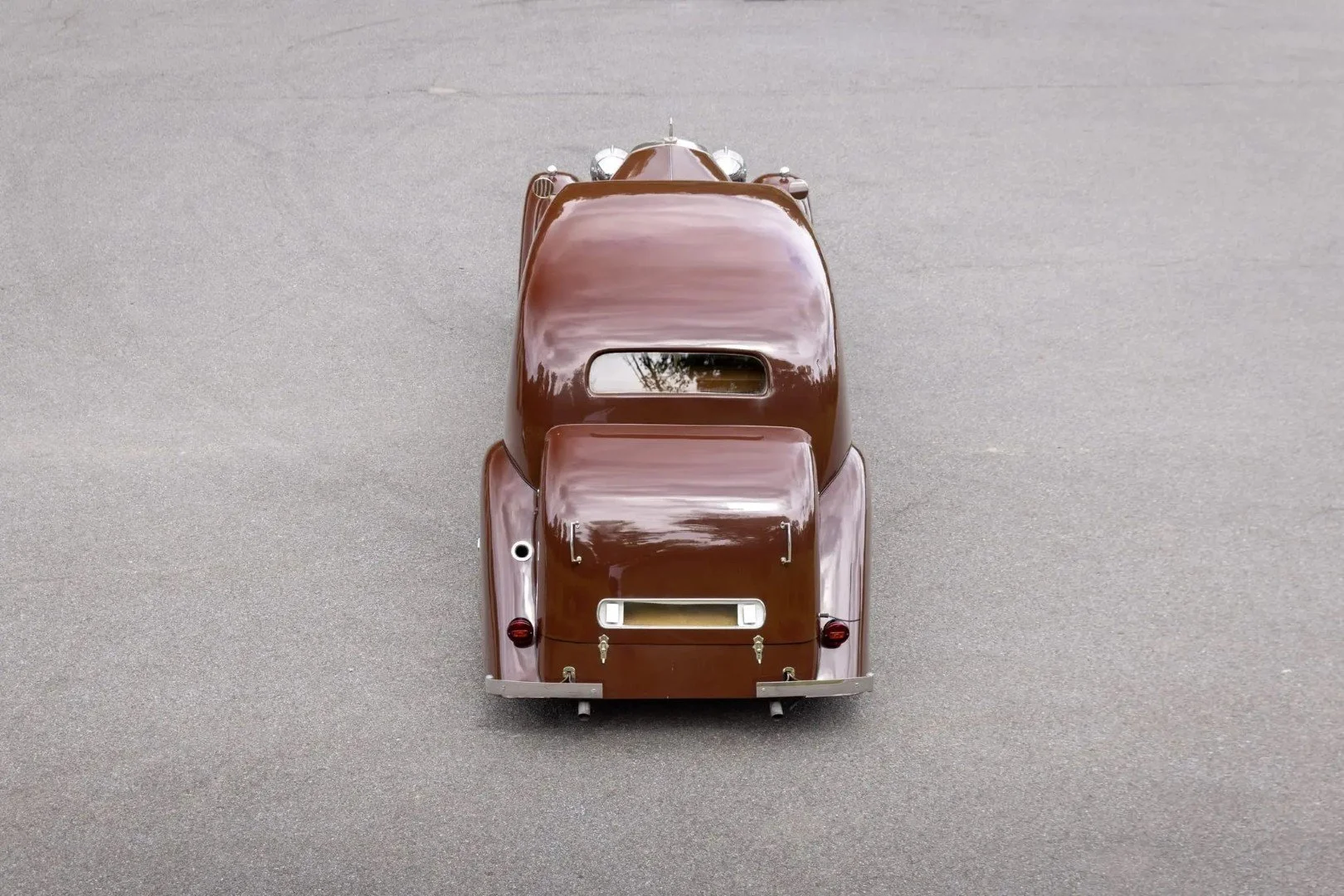 Image 3 of 31
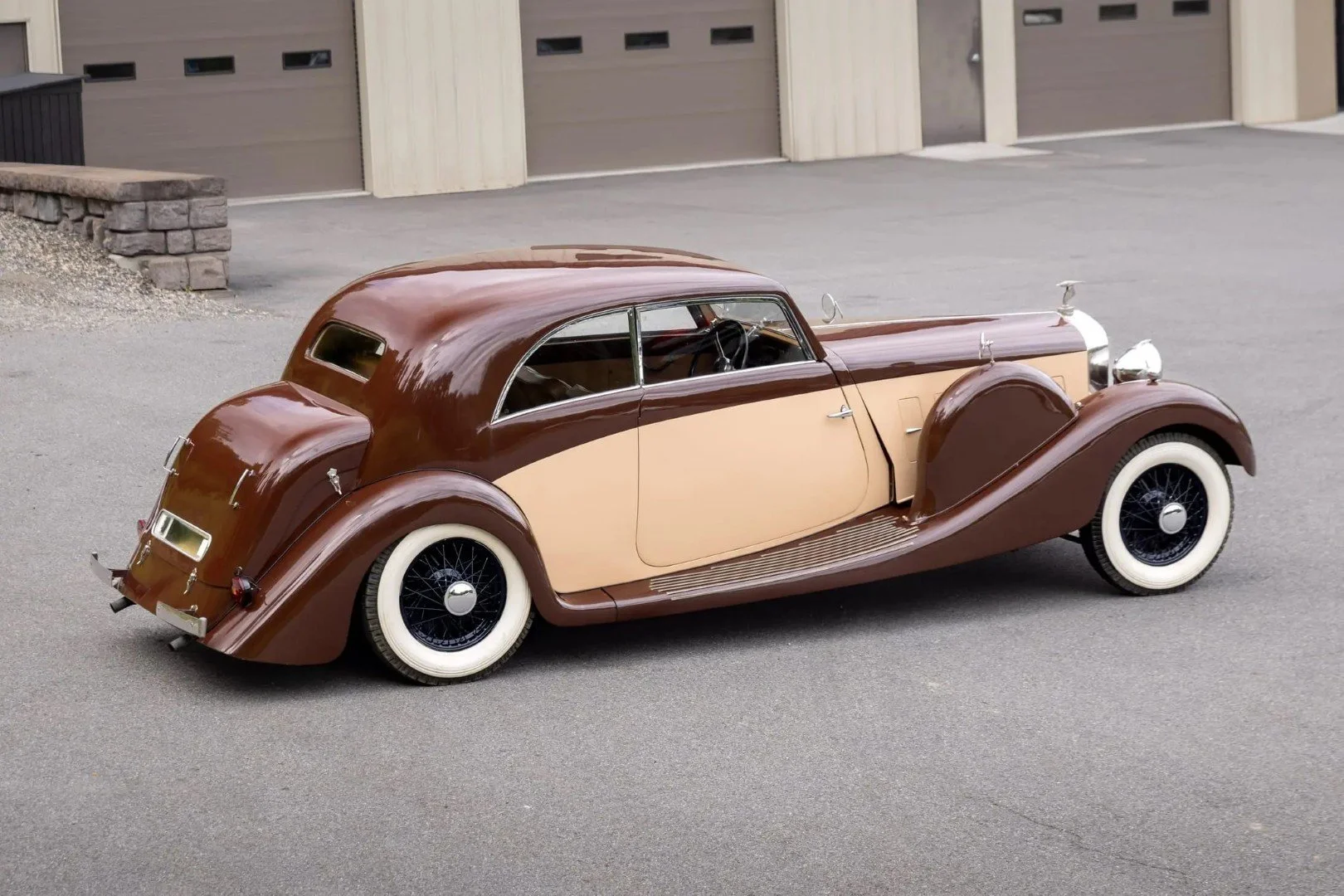 Image 4 of 31
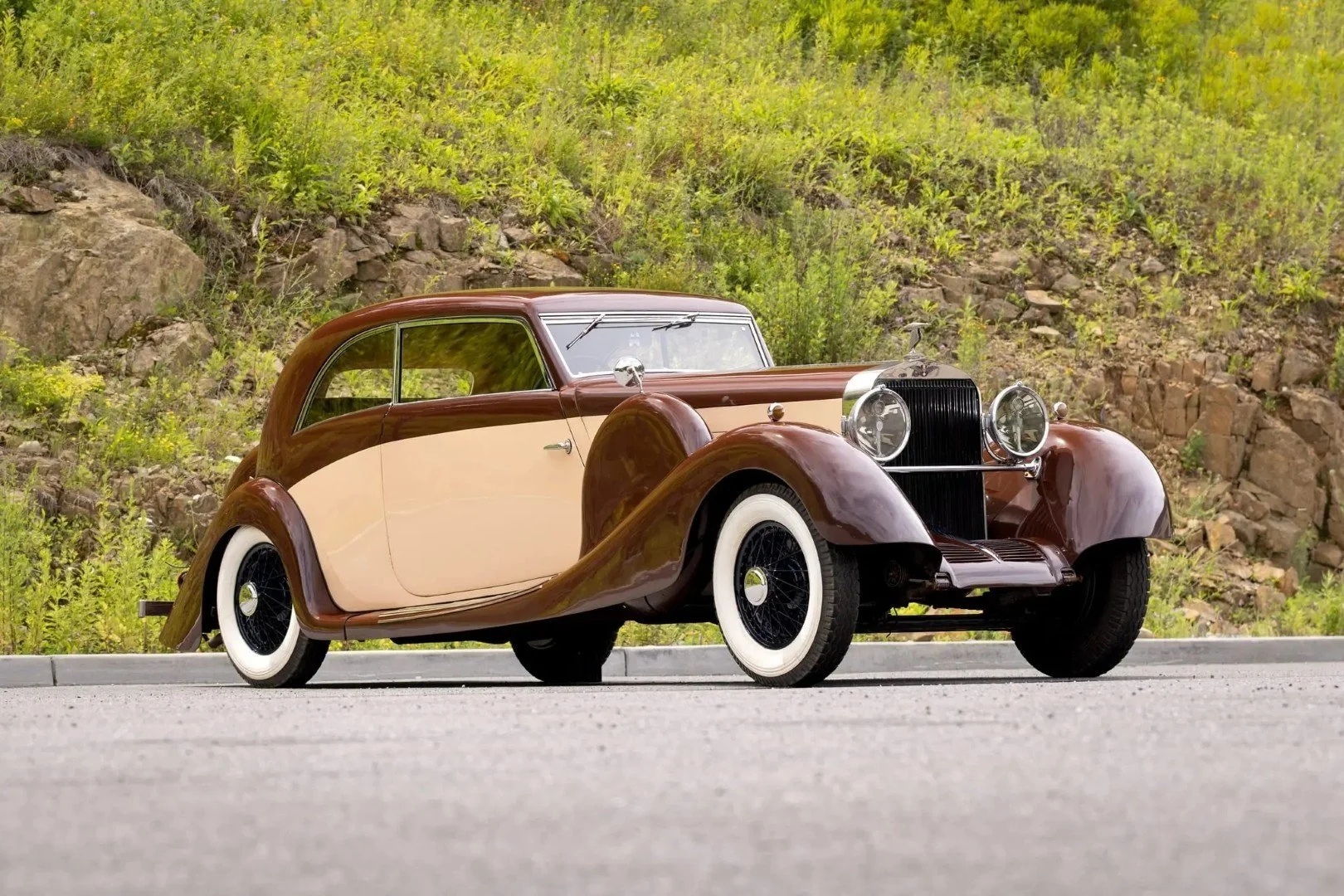 Image 5 of 31
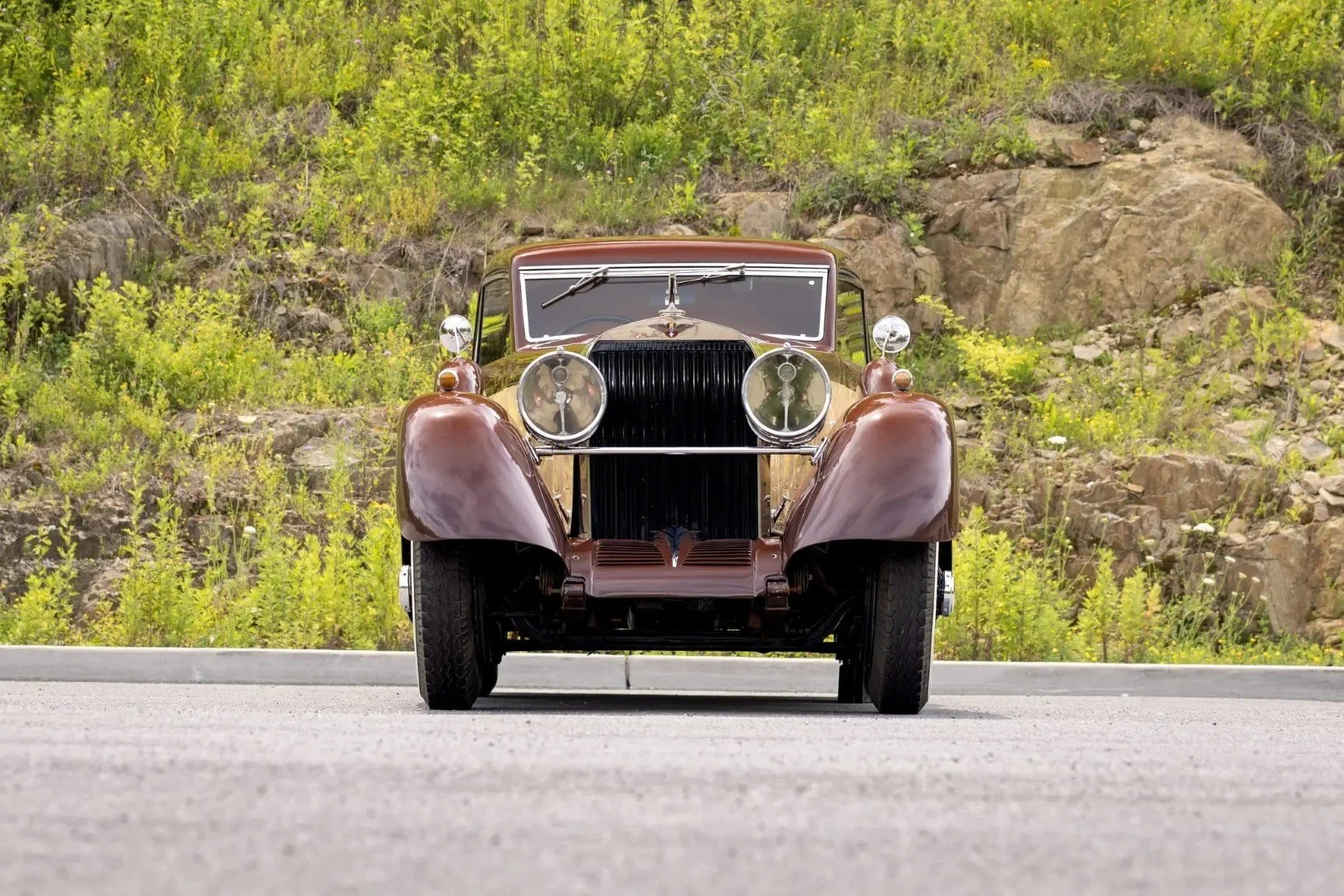 Image 6 of 31
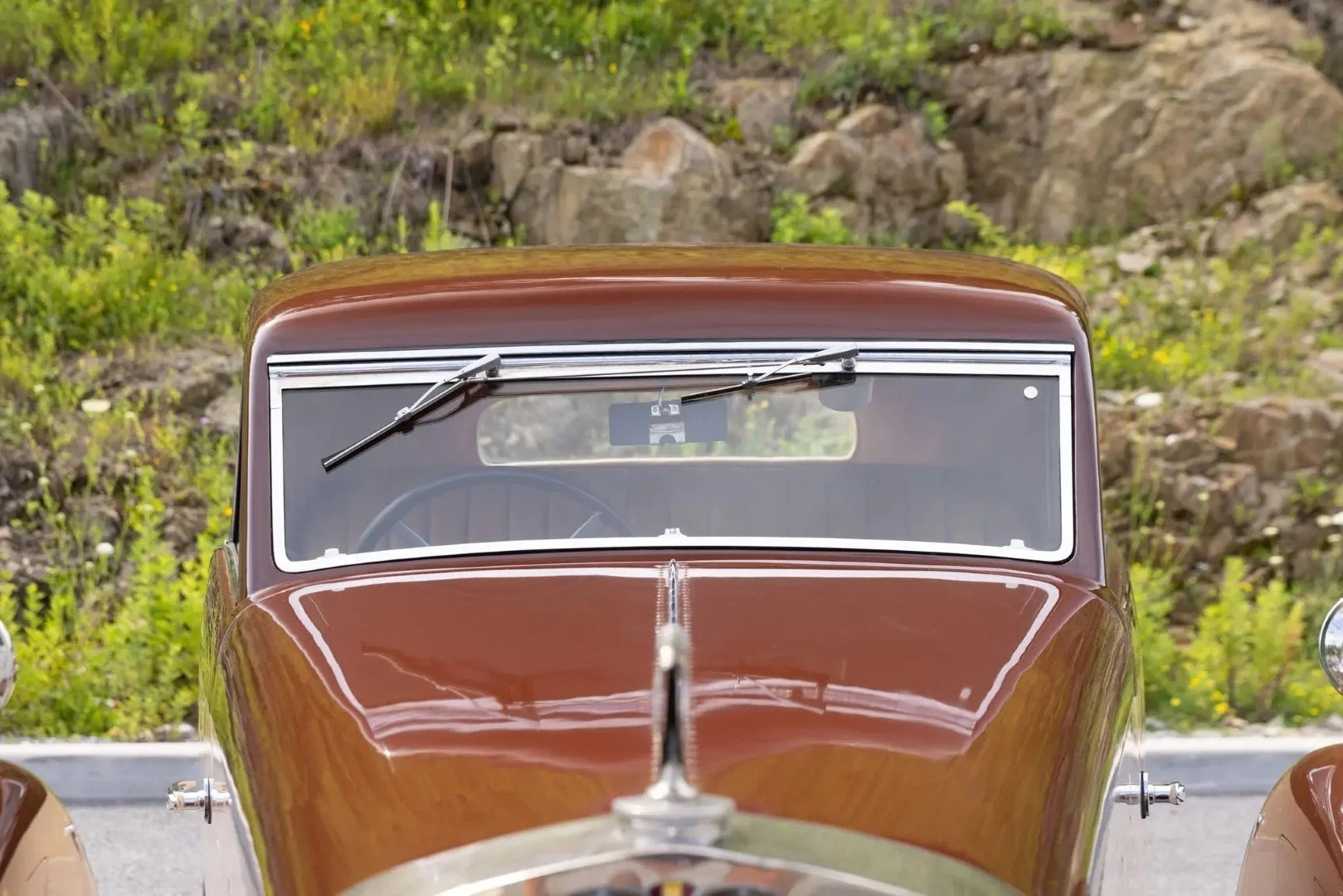 Image 7 of 31
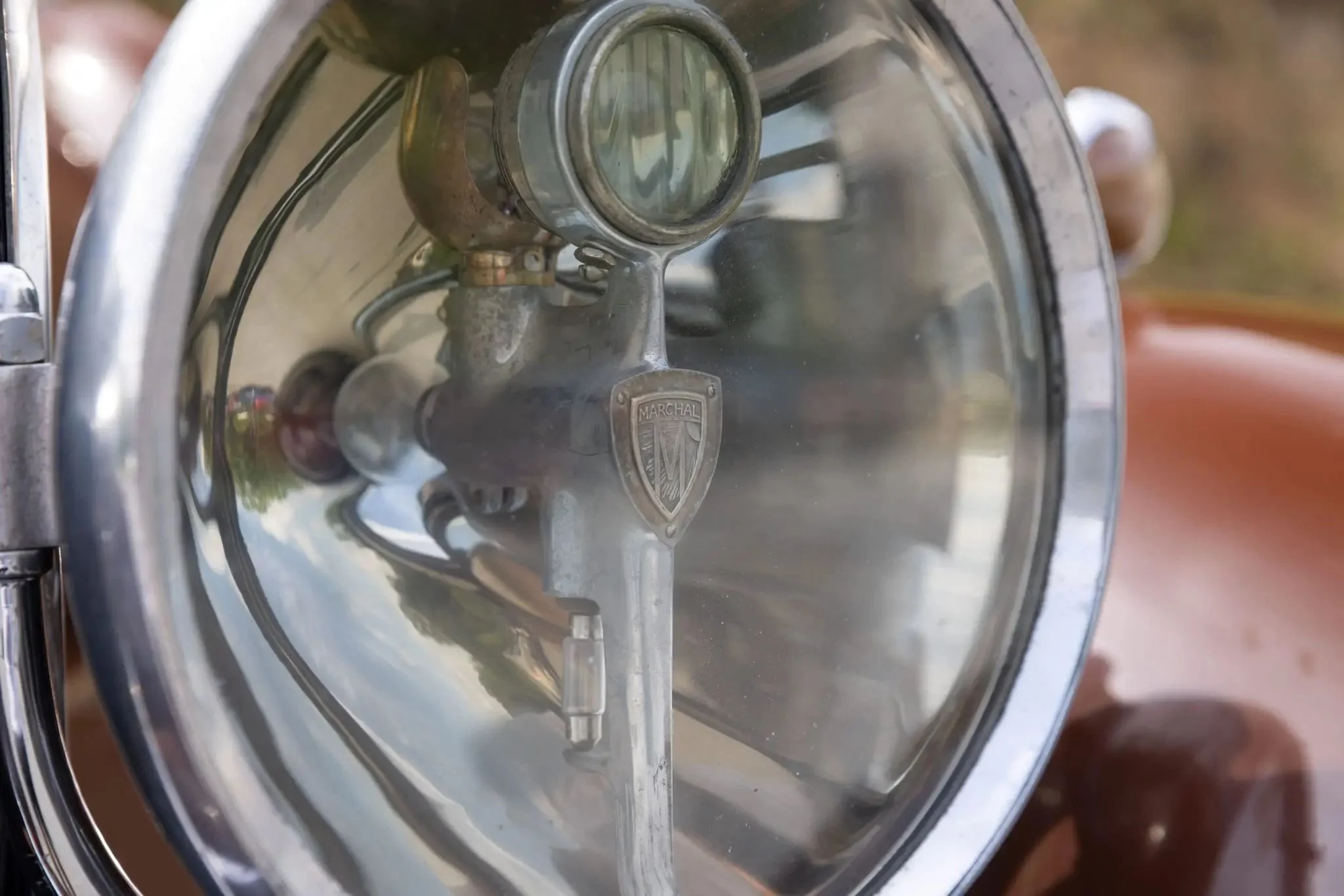 Image 8 of 31
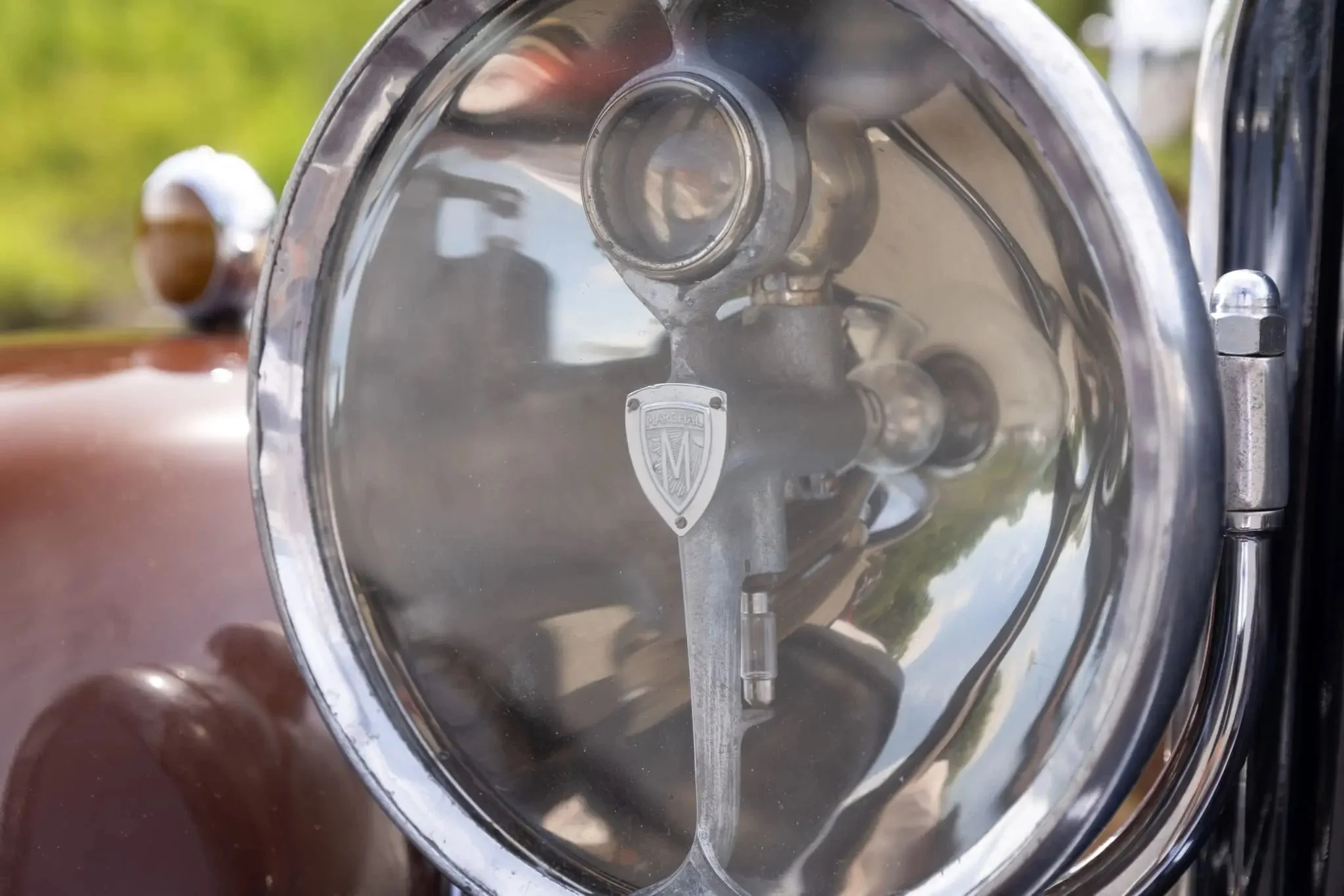 Image 9 of 31
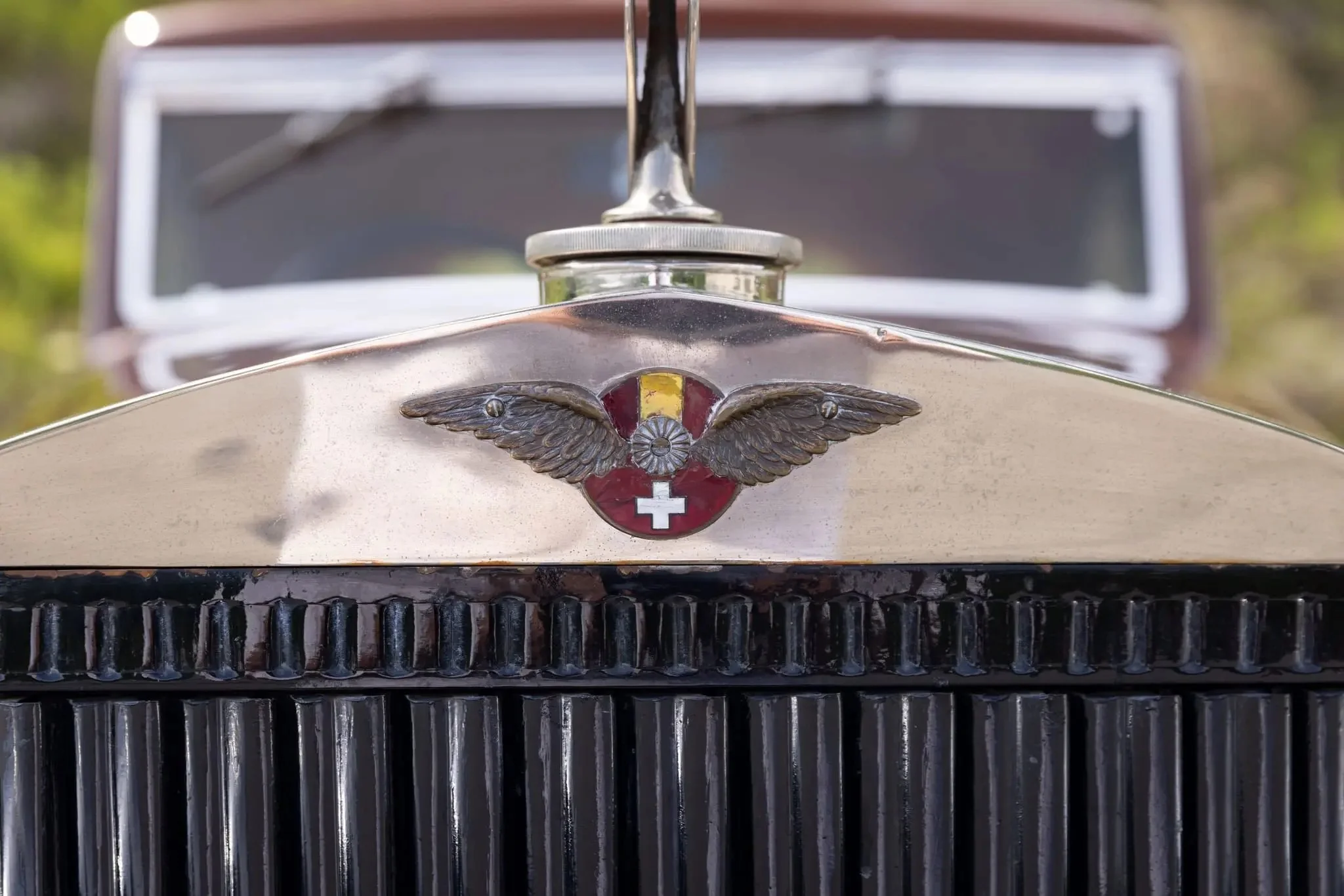 Image 10 of 31
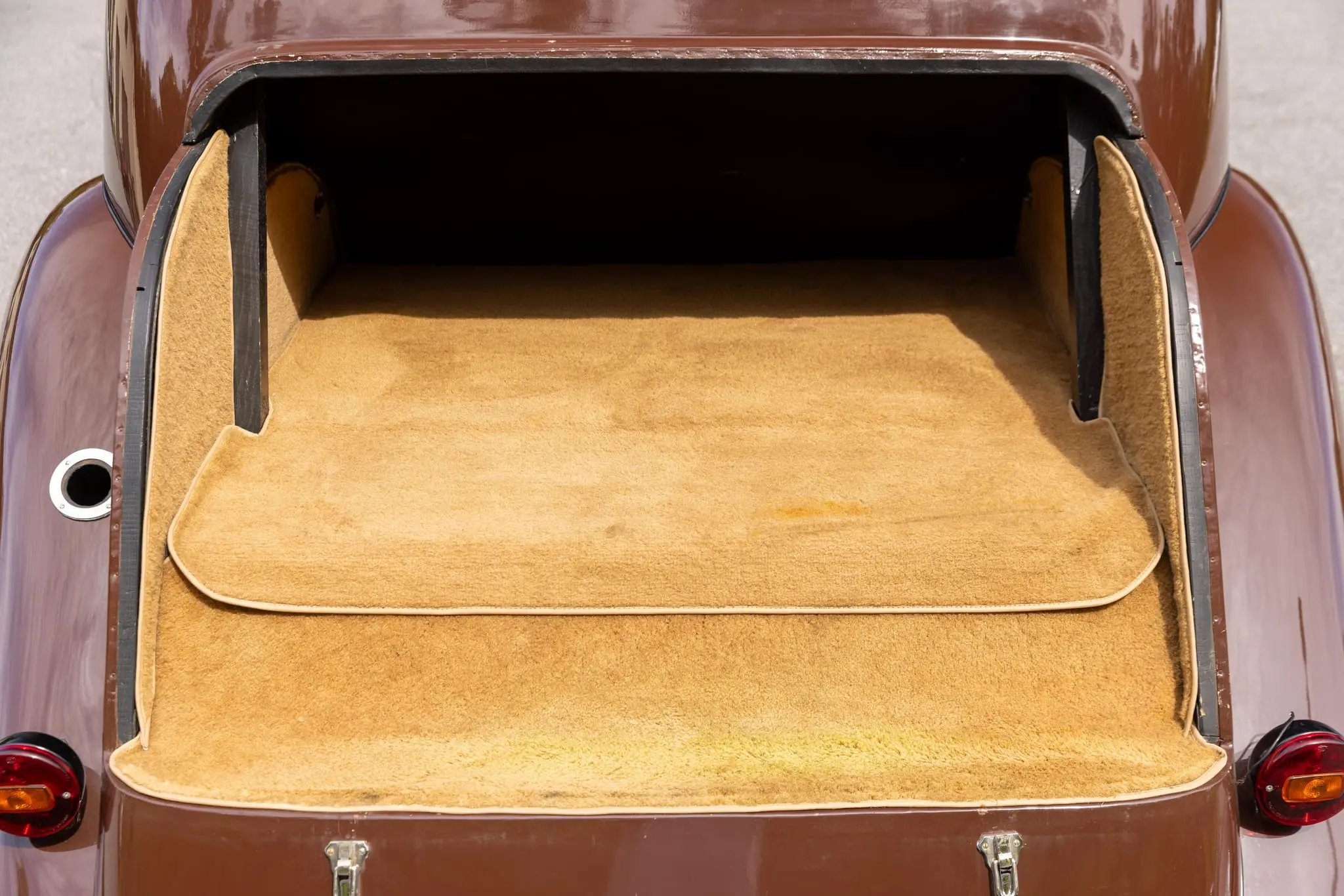 Image 11 of 31
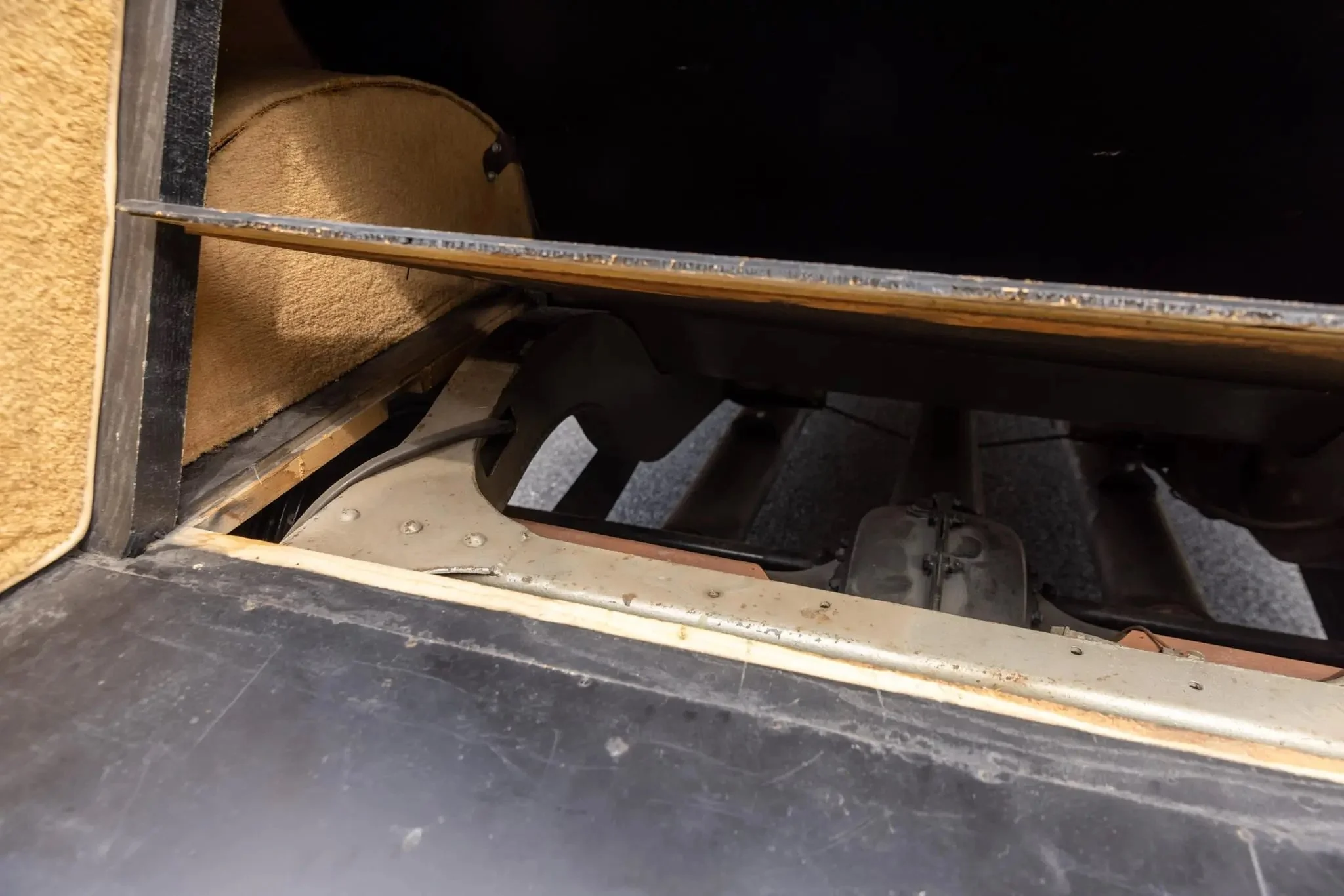 Image 12 of 31
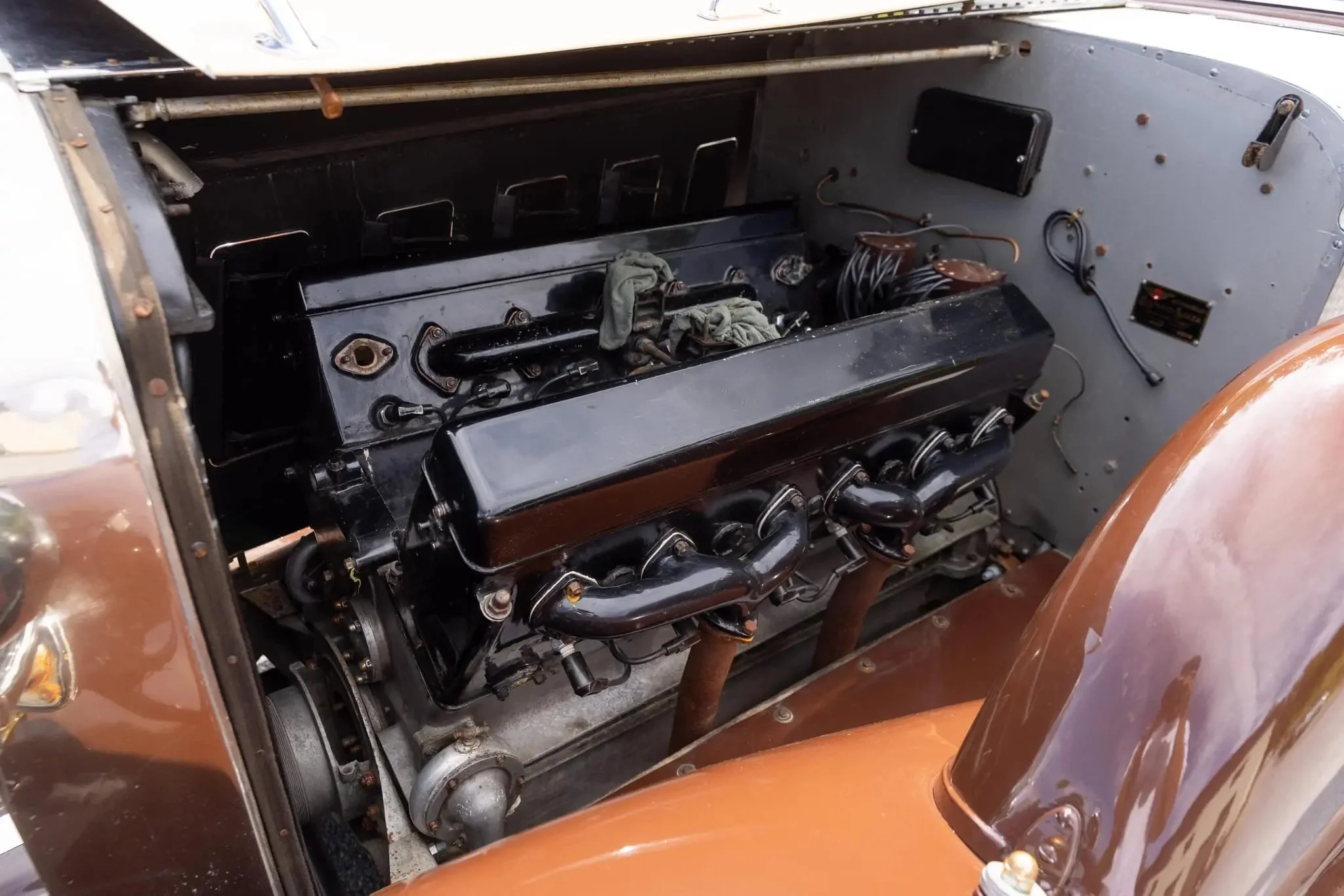 Image 13 of 31
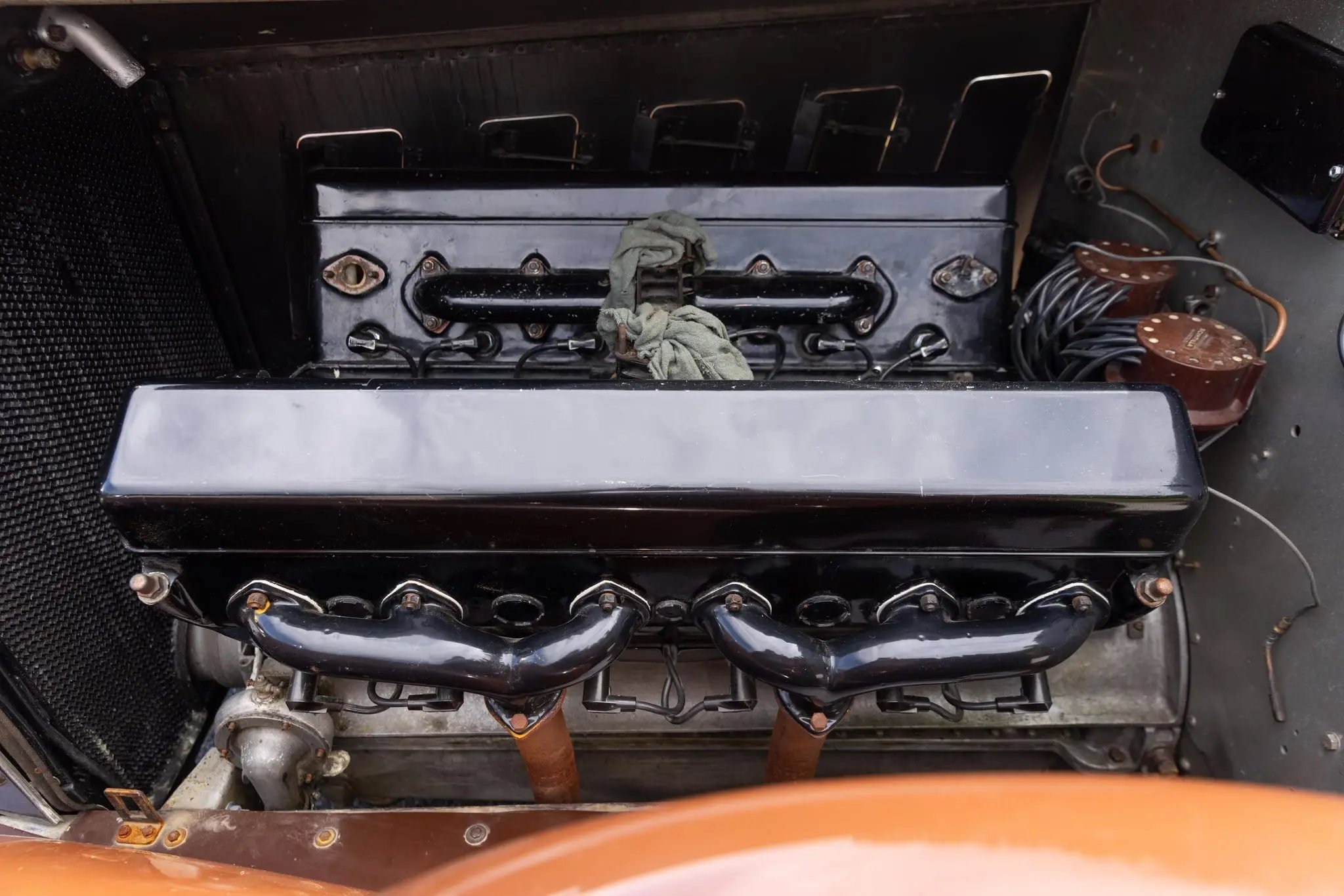 Image 14 of 31
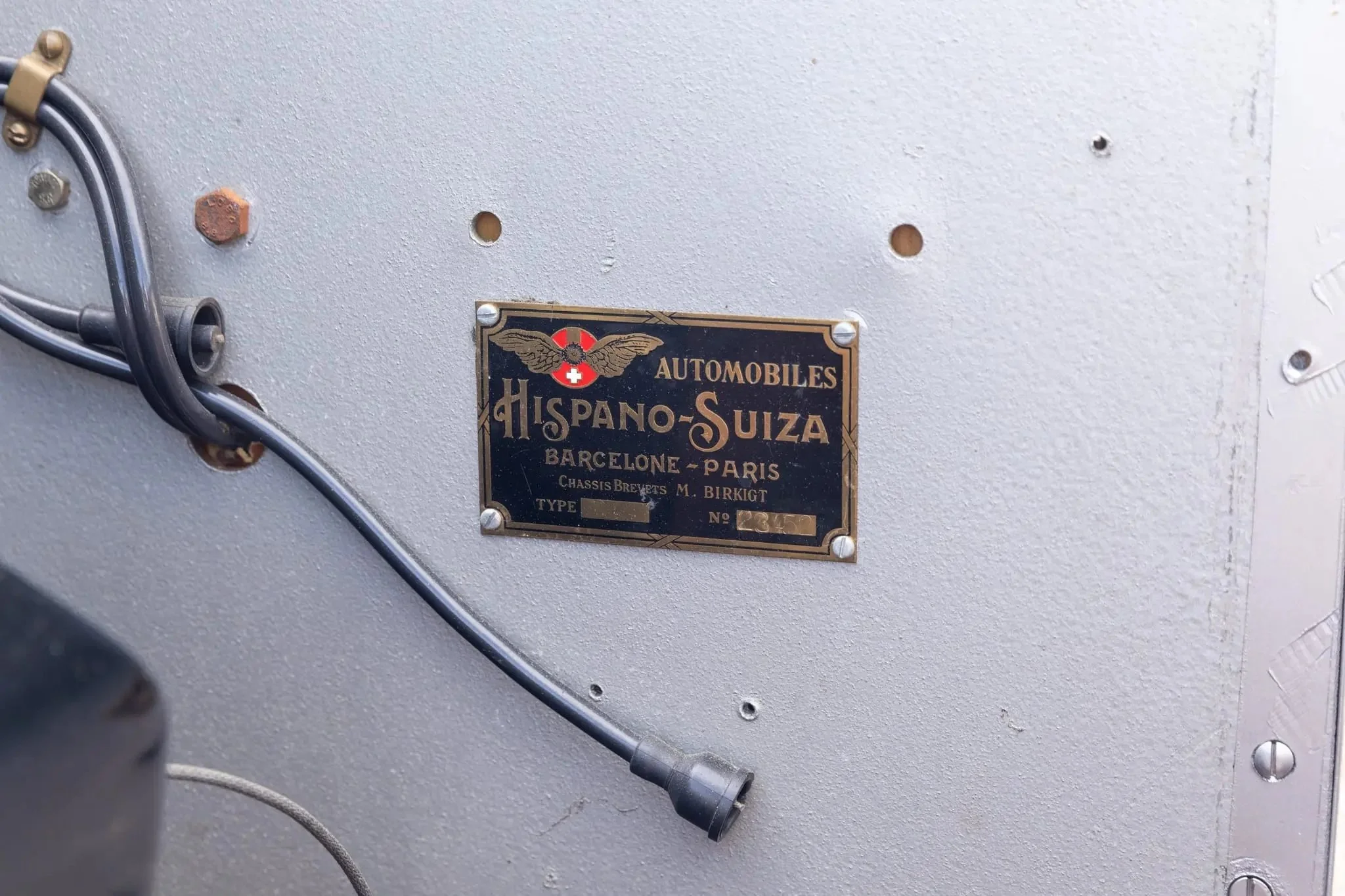 Image 15 of 31
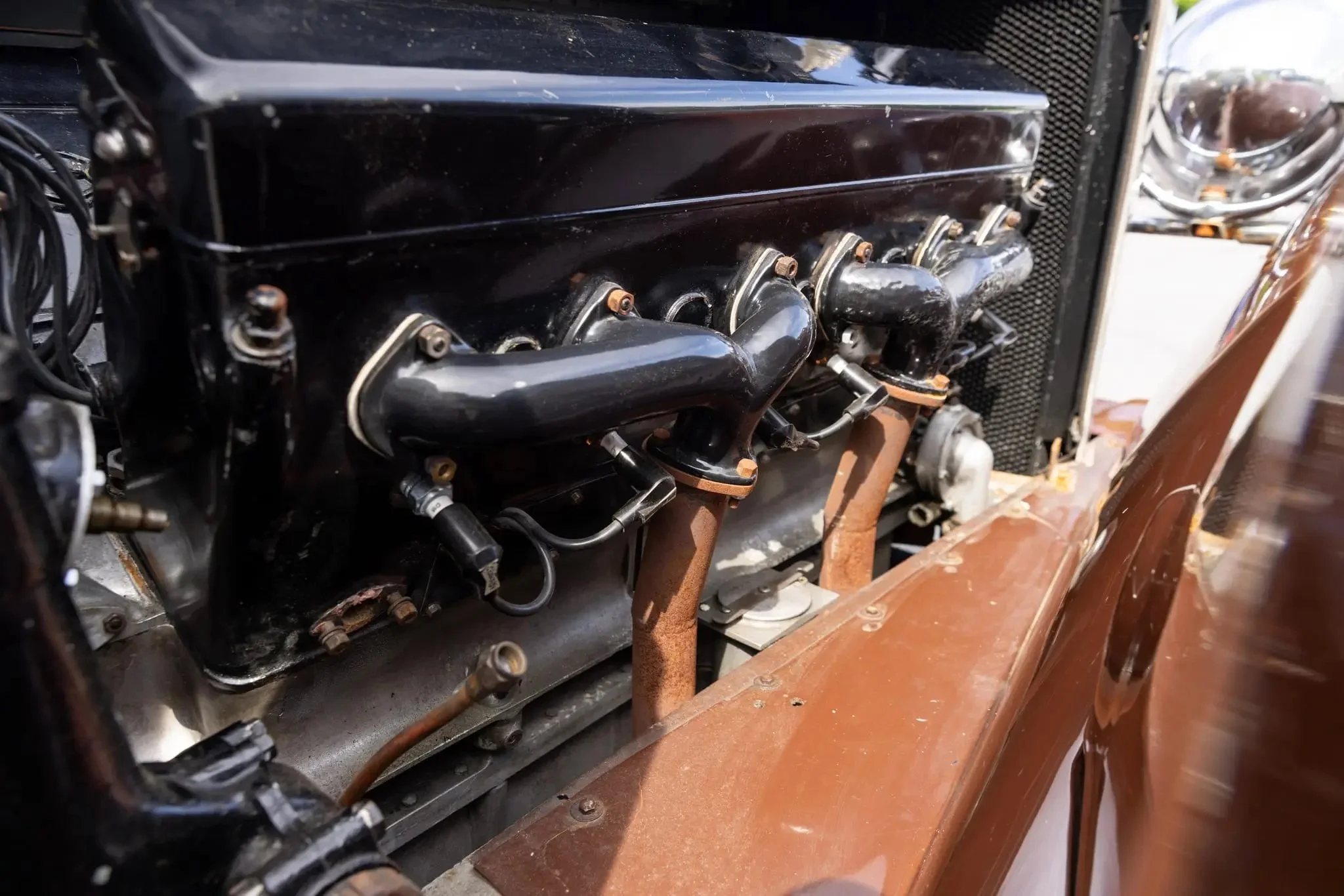 Image 16 of 31
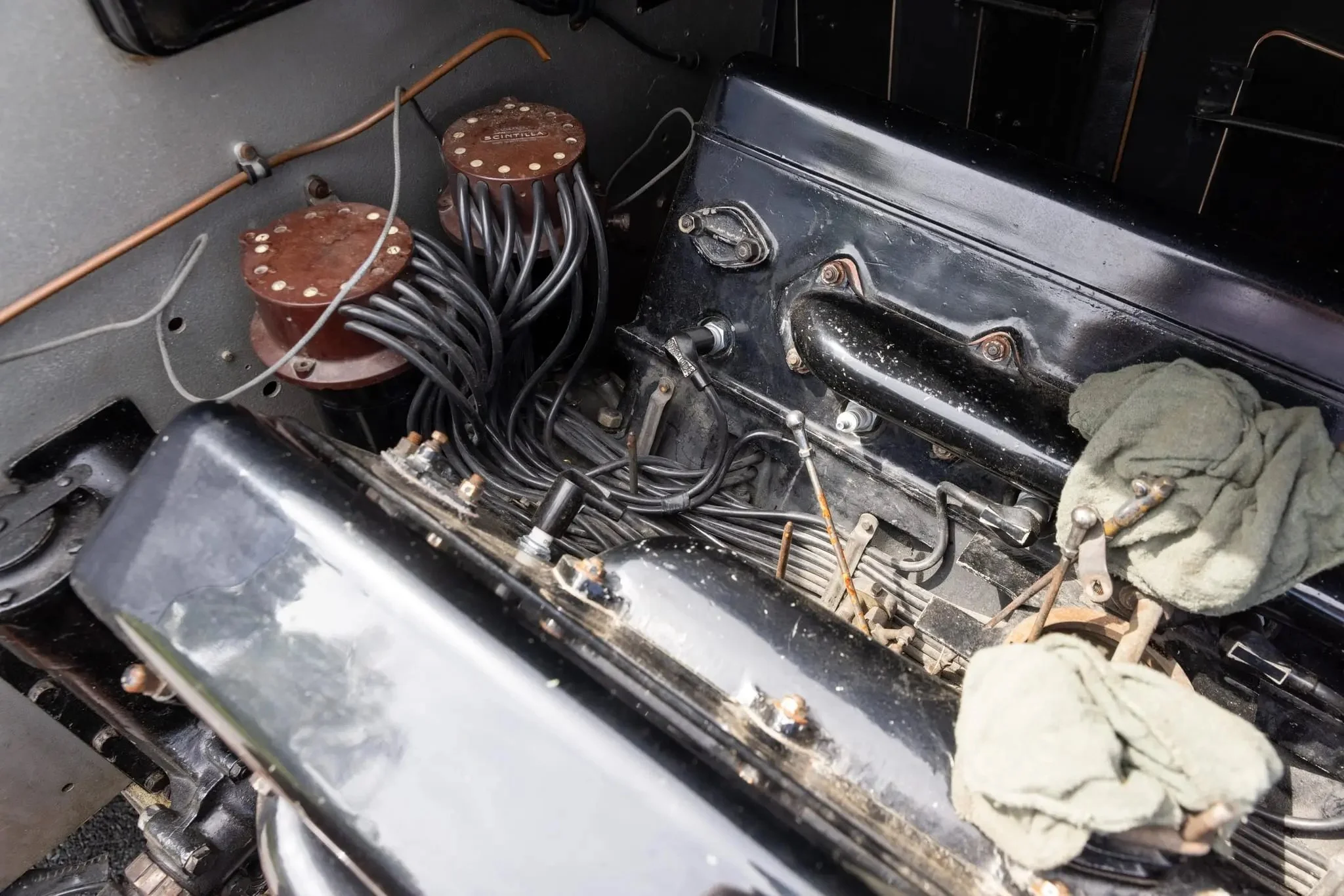 Image 17 of 31
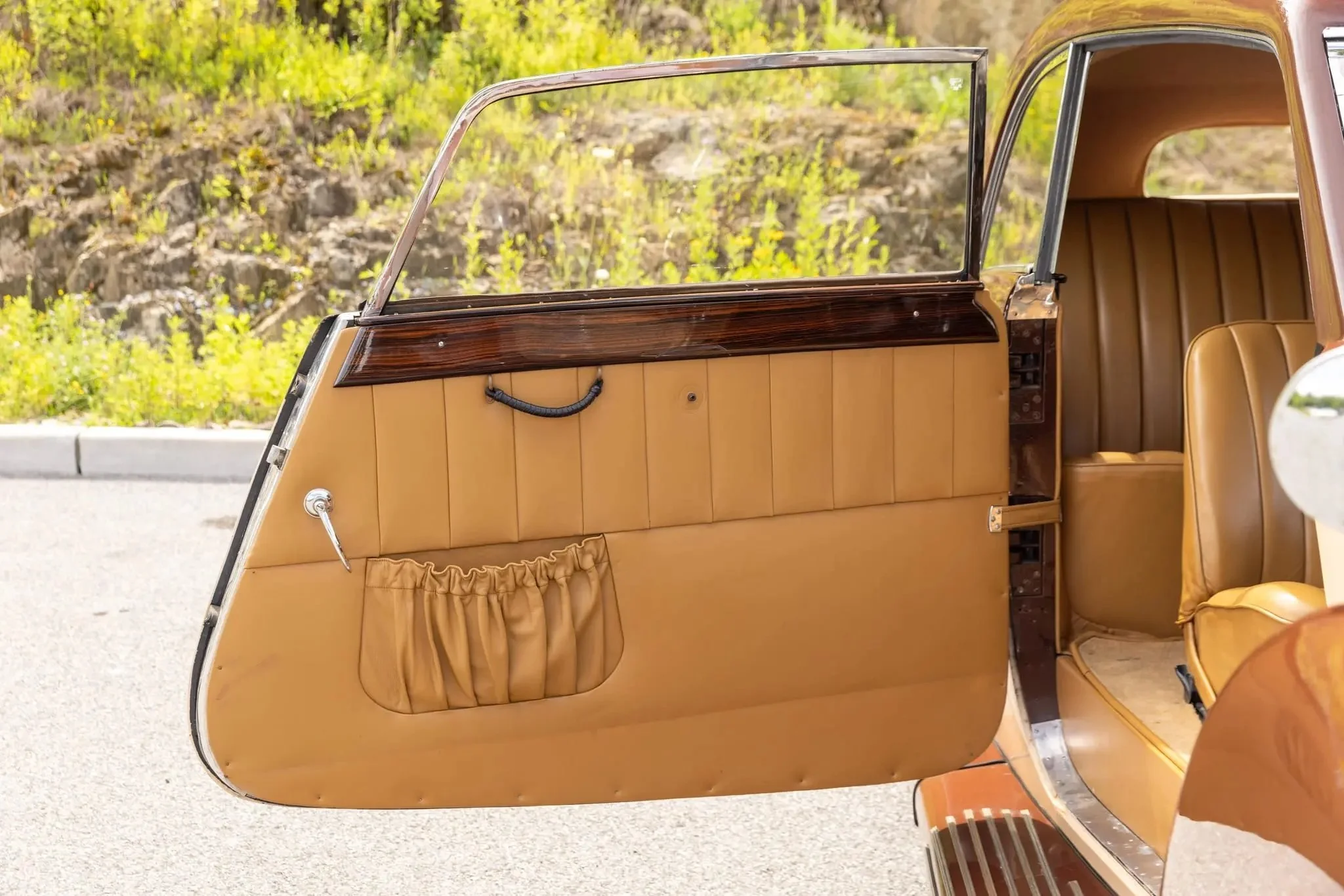 Image 18 of 31
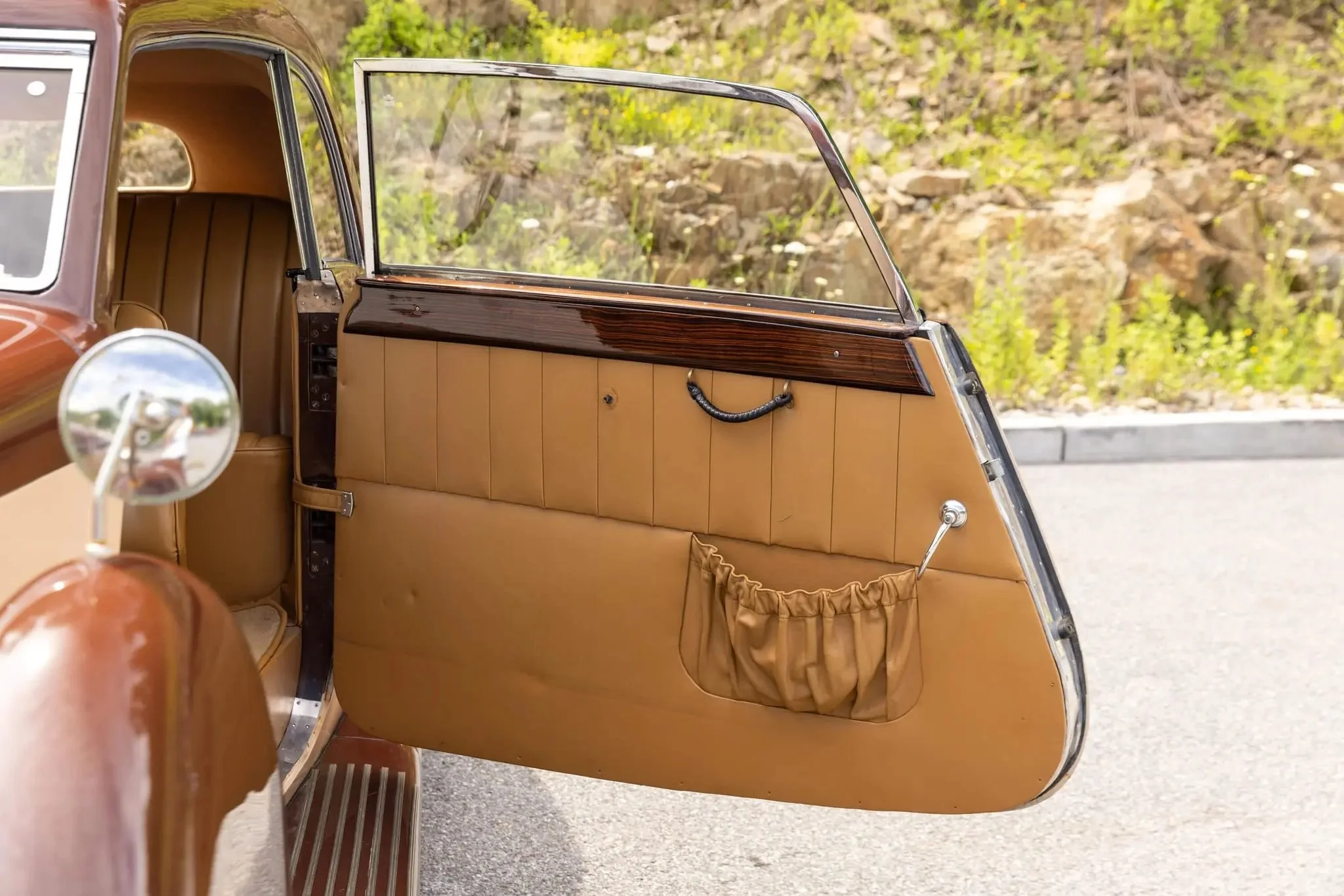 Image 19 of 31
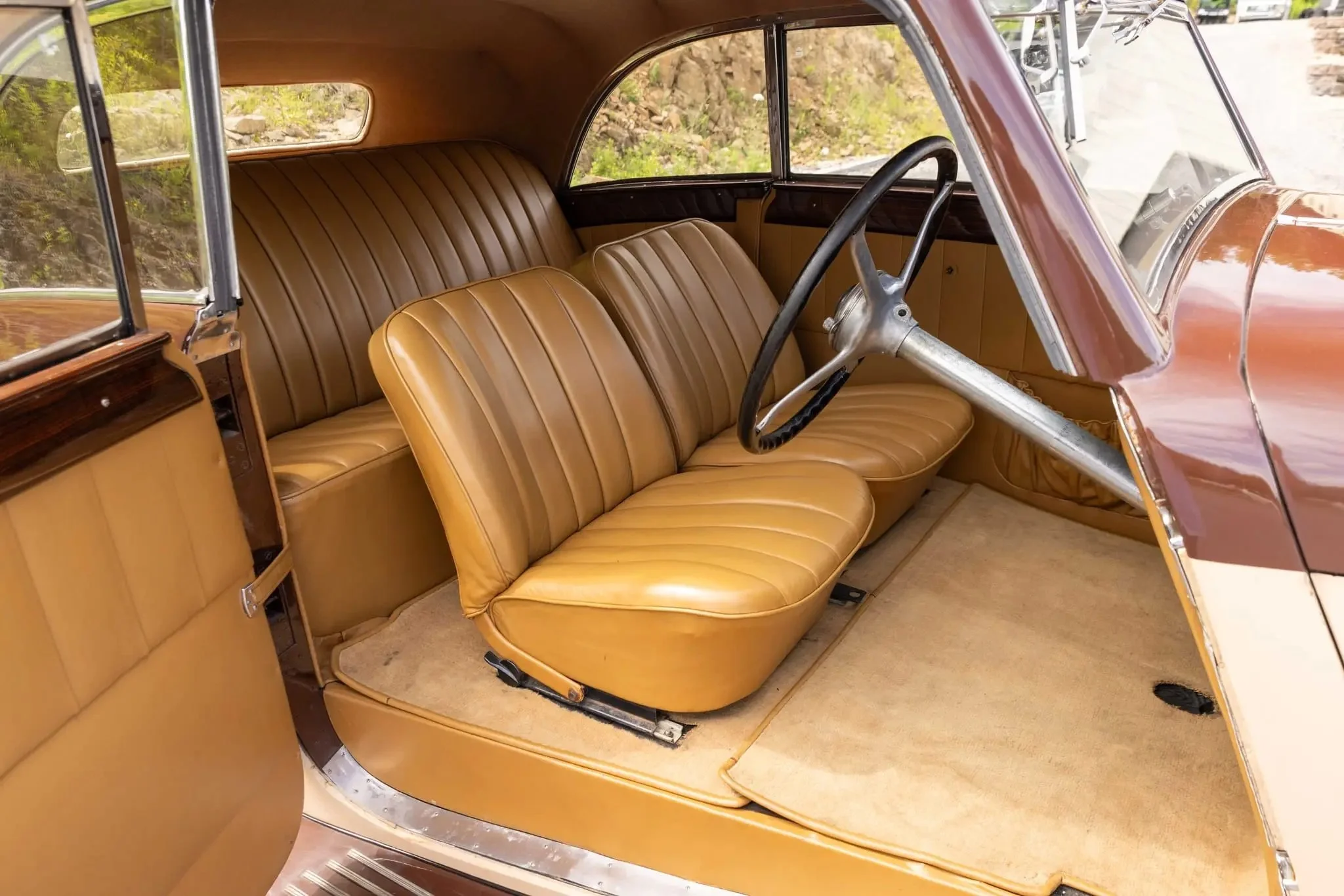 Image 20 of 31
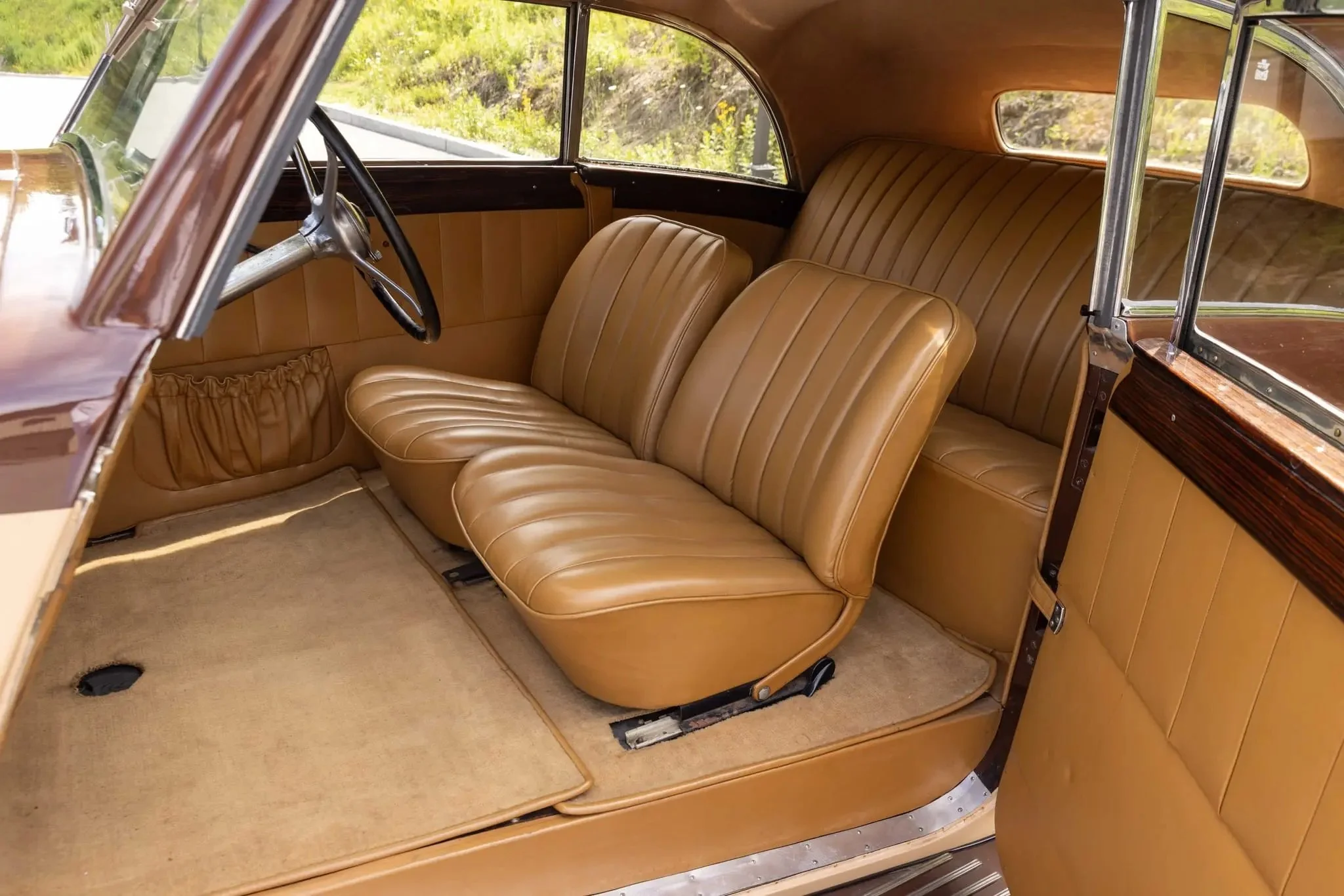 Image 21 of 31
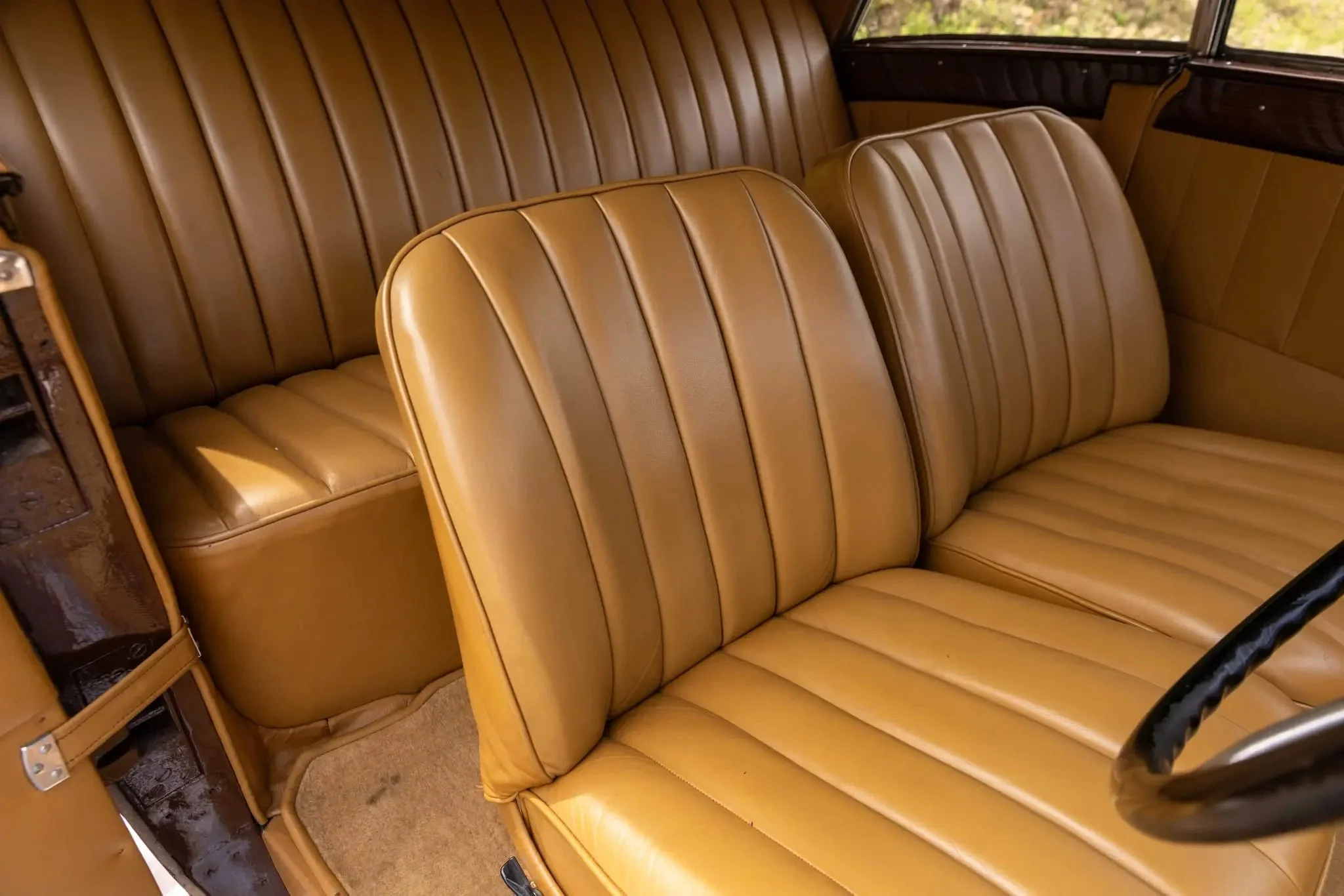 Image 22 of 31
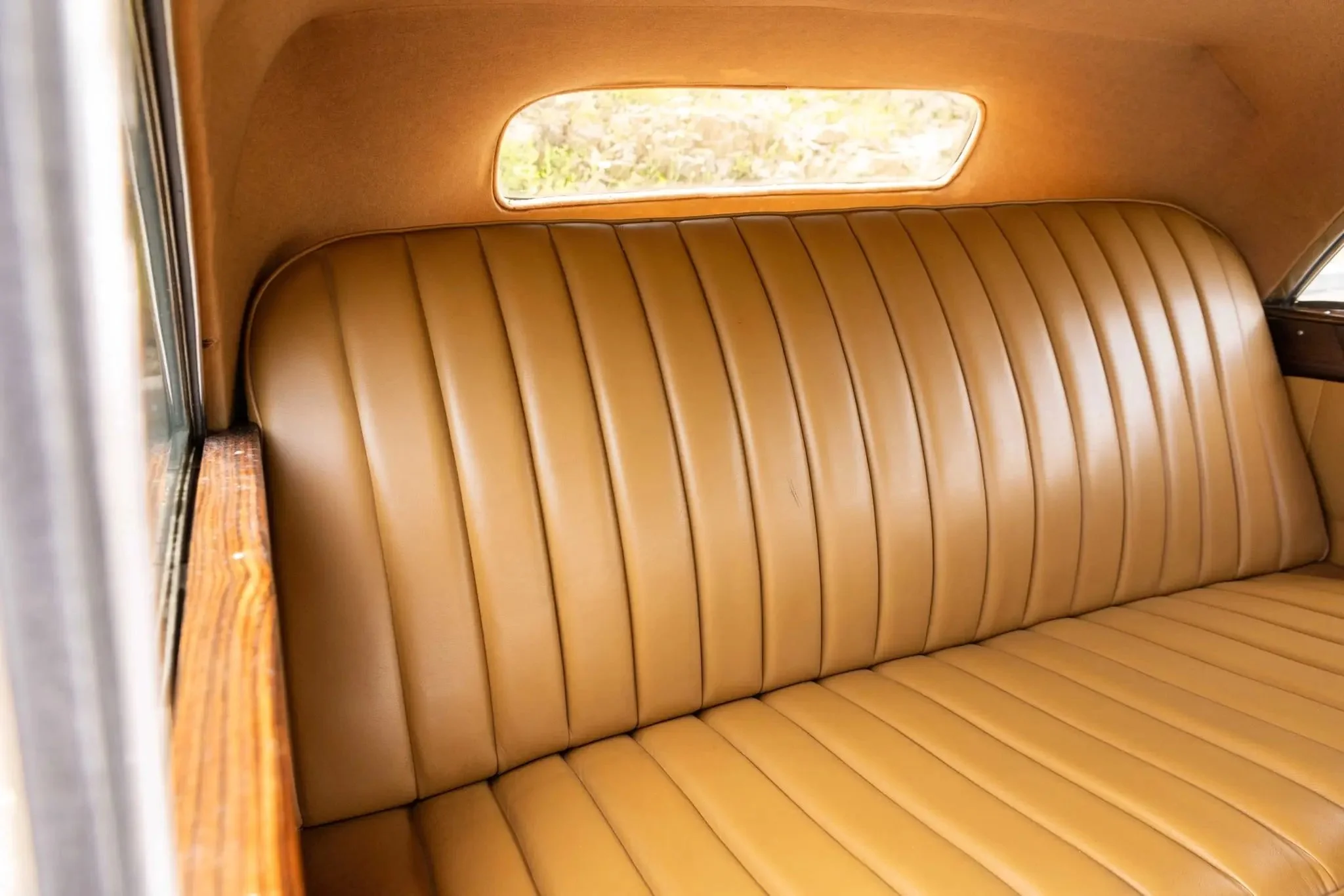 Image 23 of 31
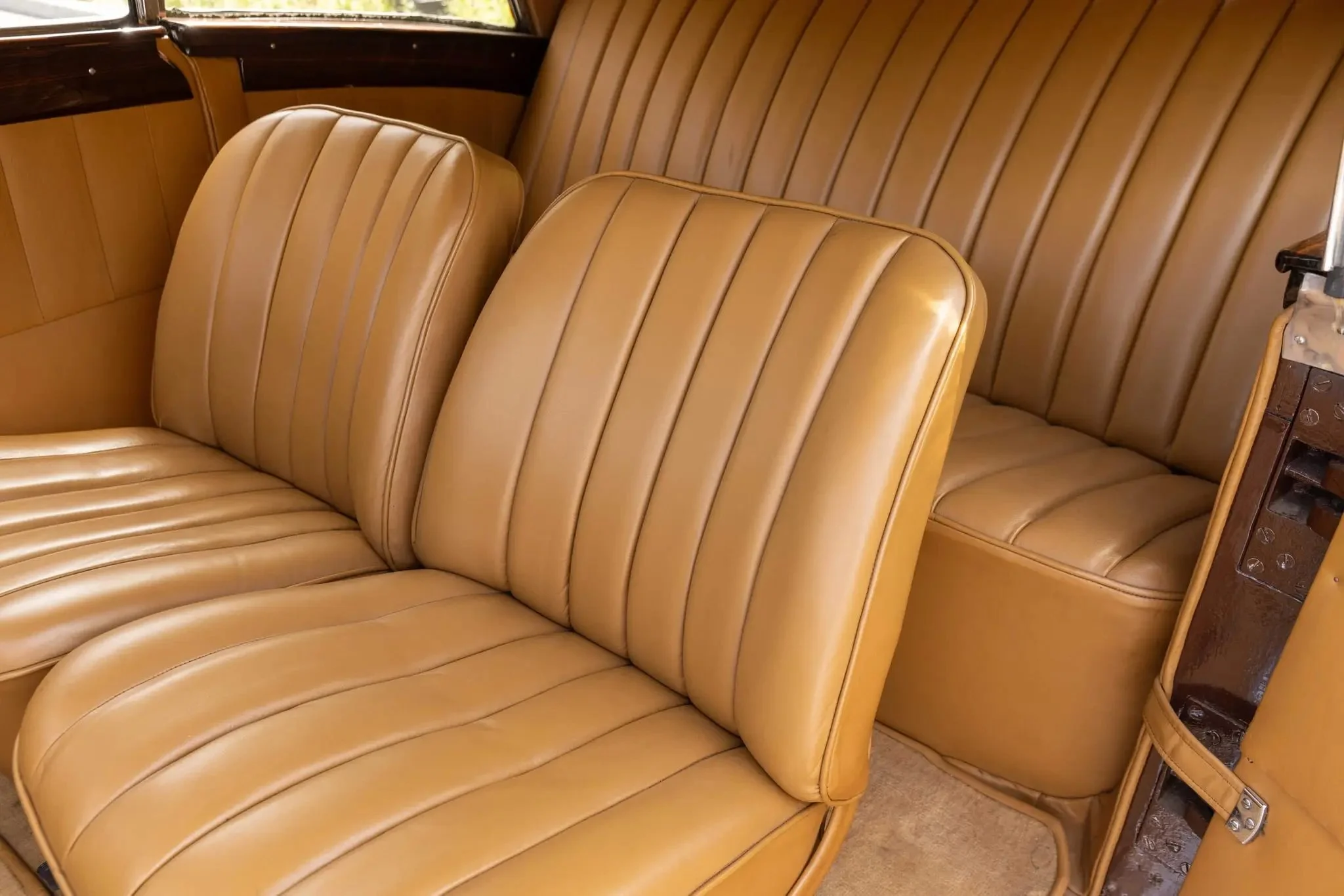 Image 24 of 31
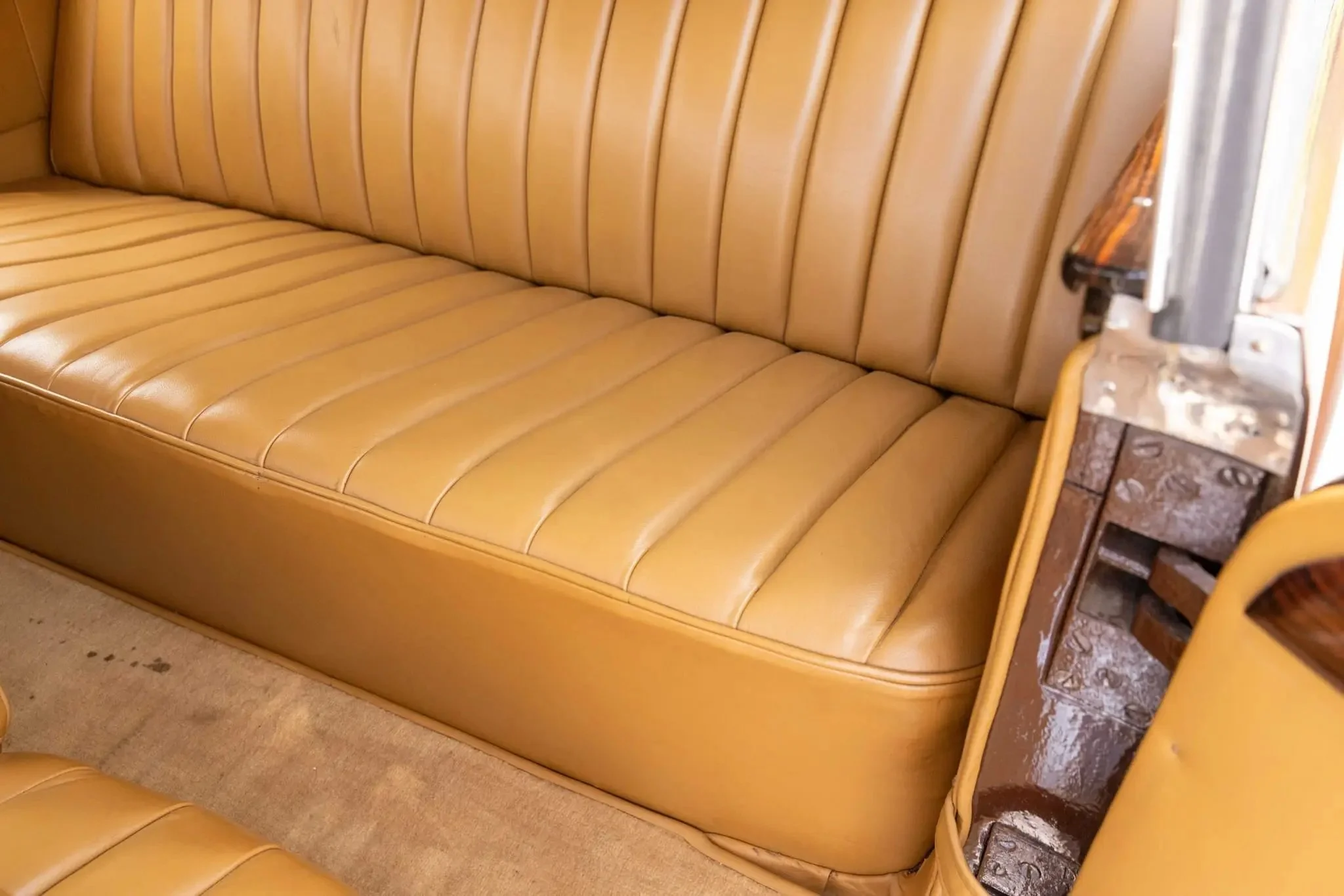 Image 25 of 31
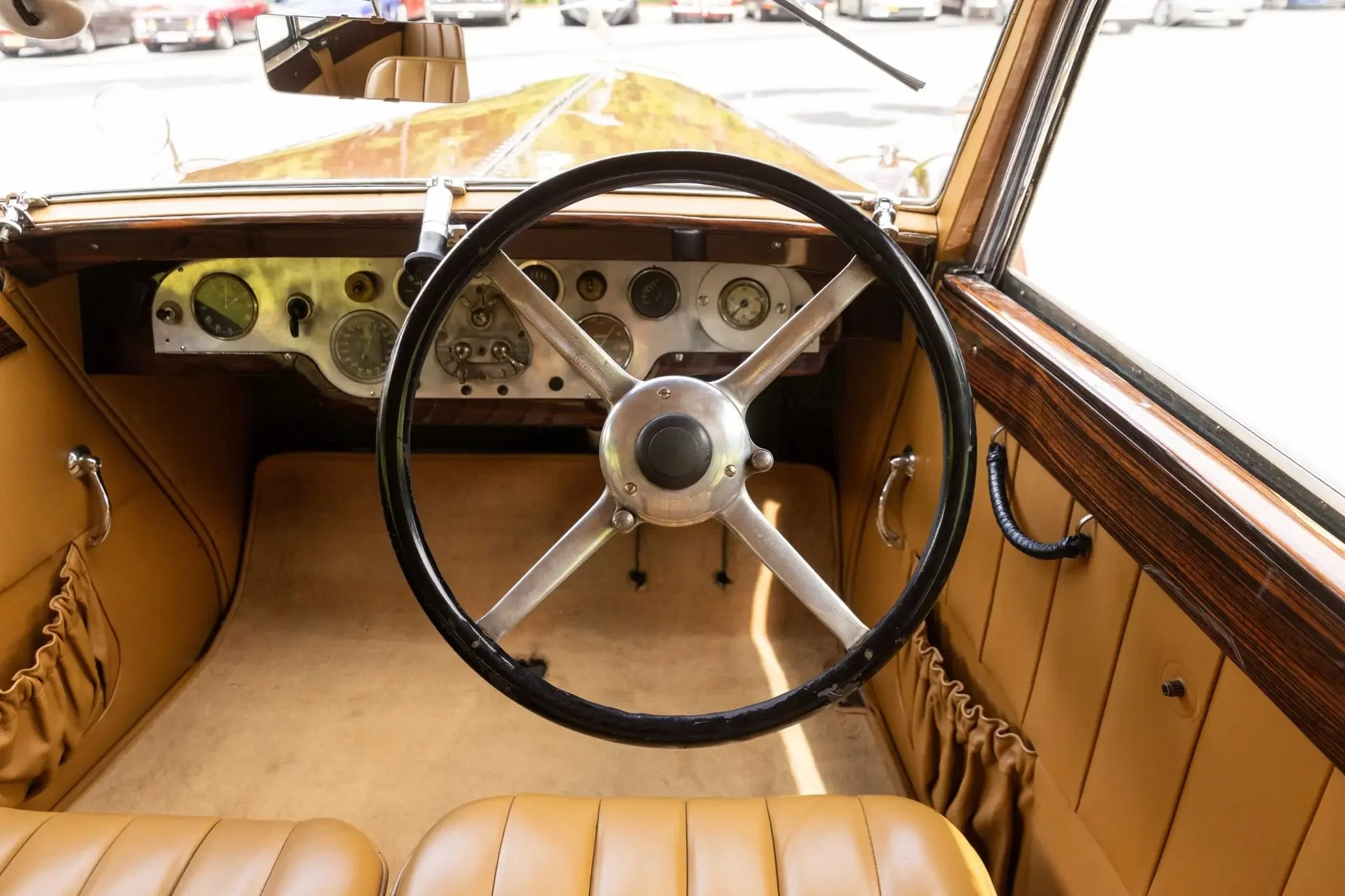 Image 26 of 31
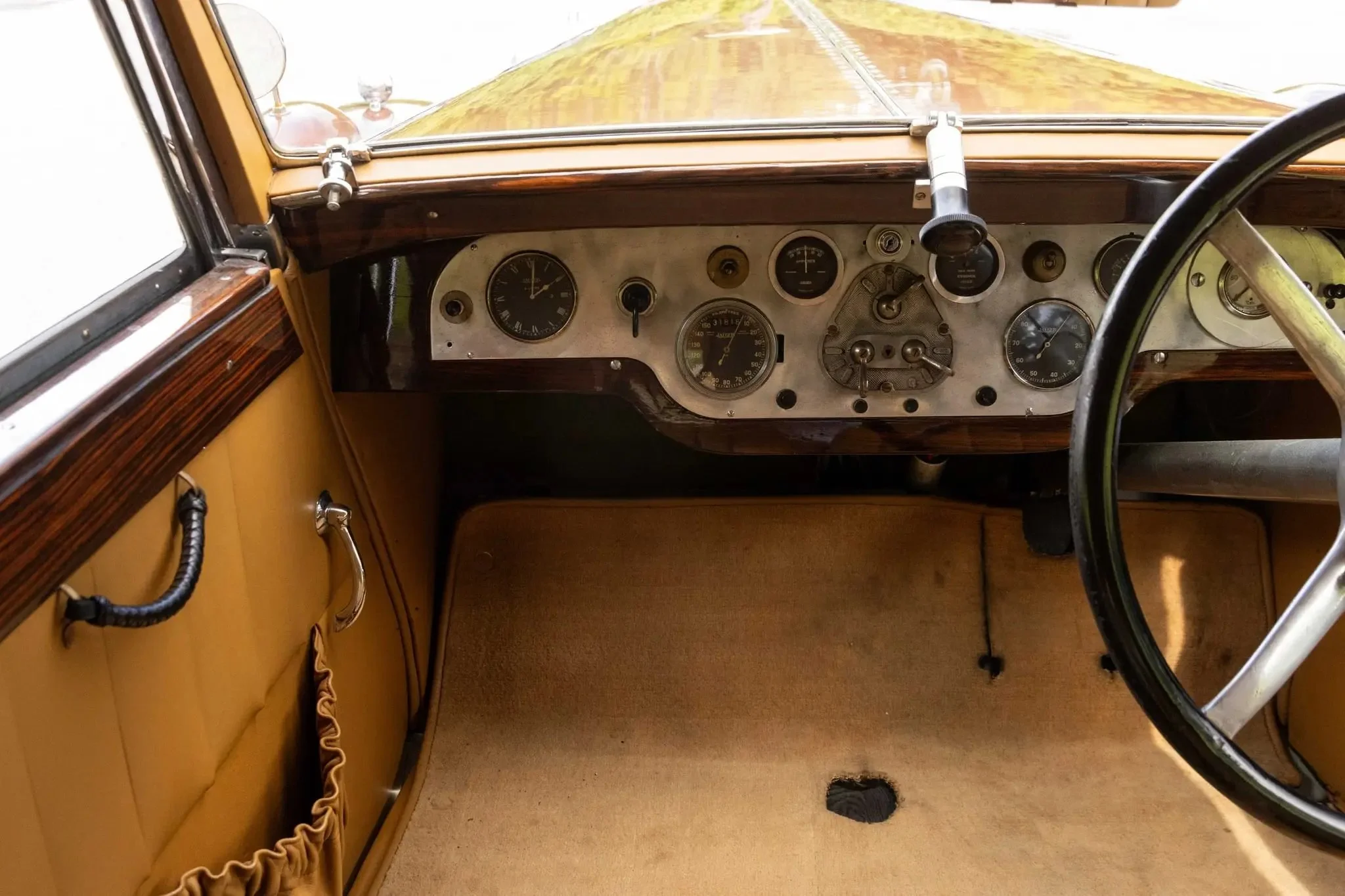 Image 27 of 31
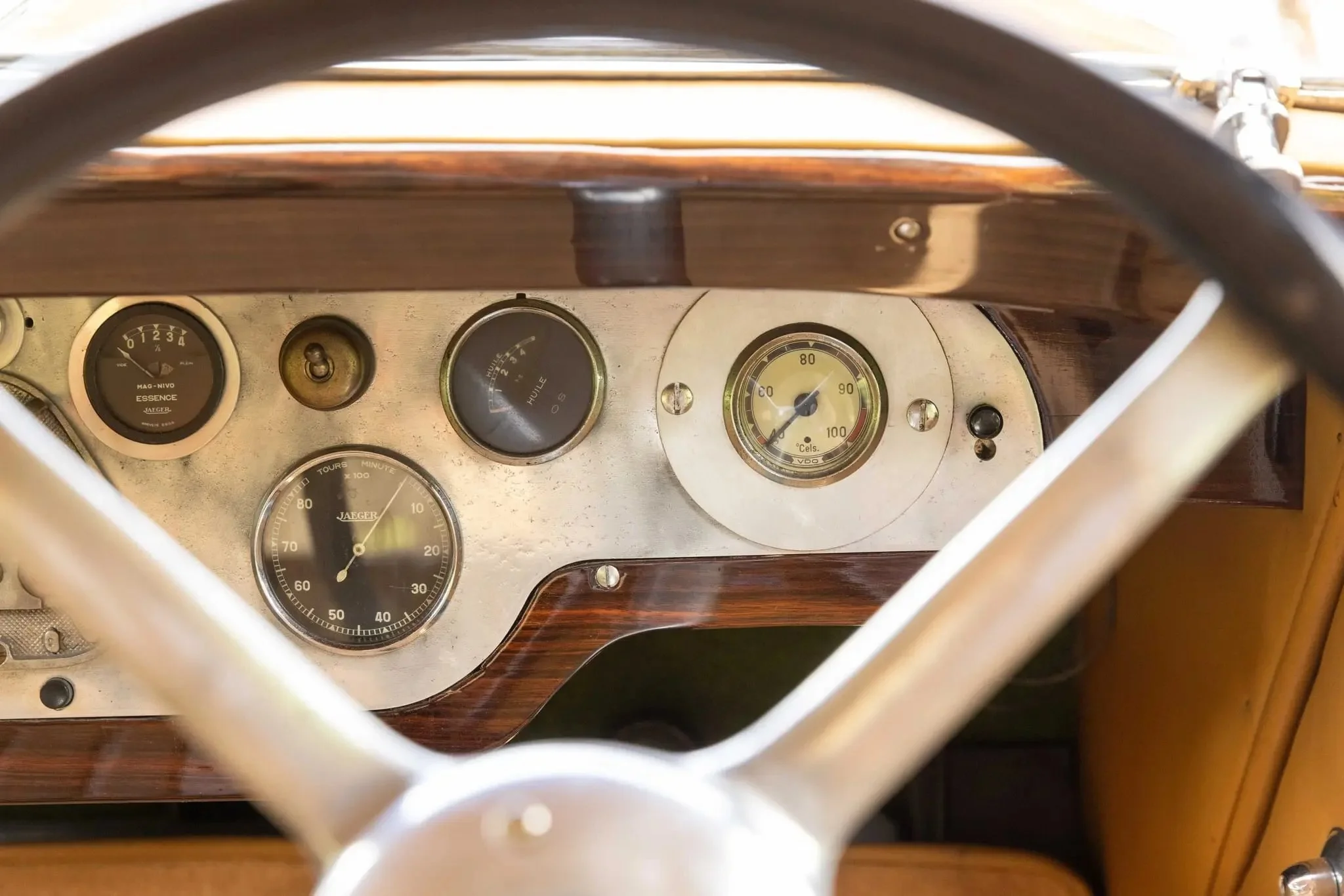 Image 28 of 31
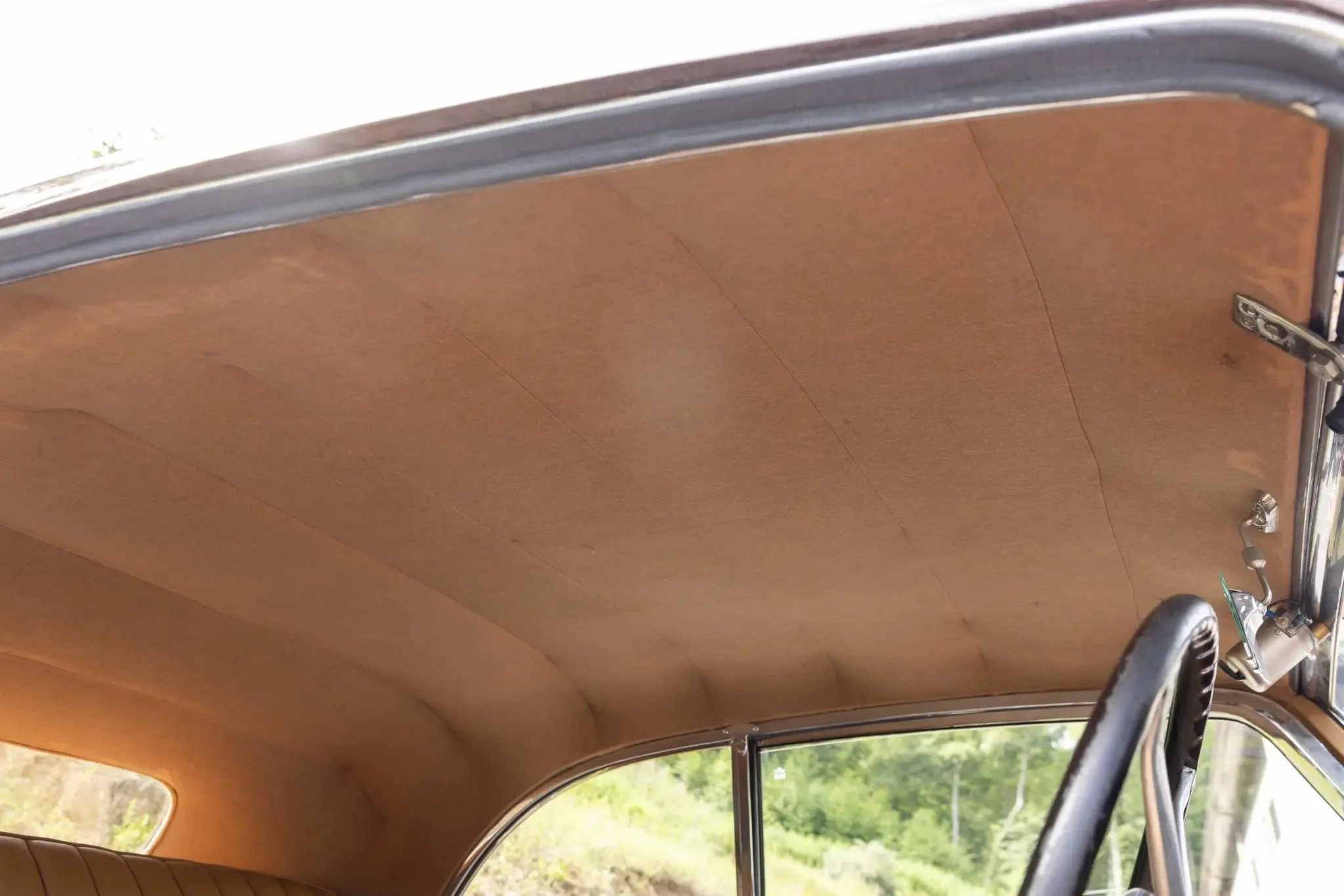 Image 29 of 31
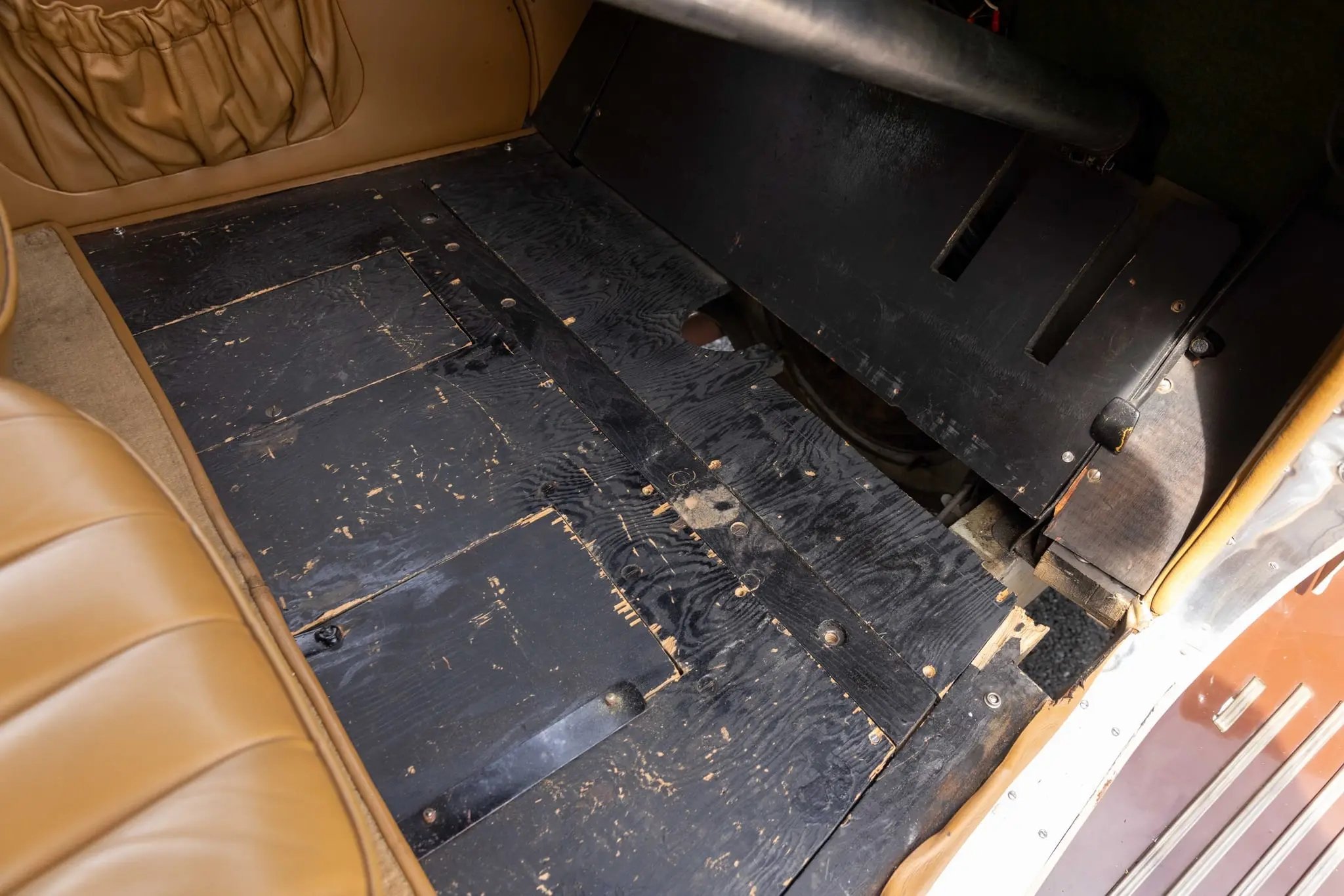 Image 30 of 31
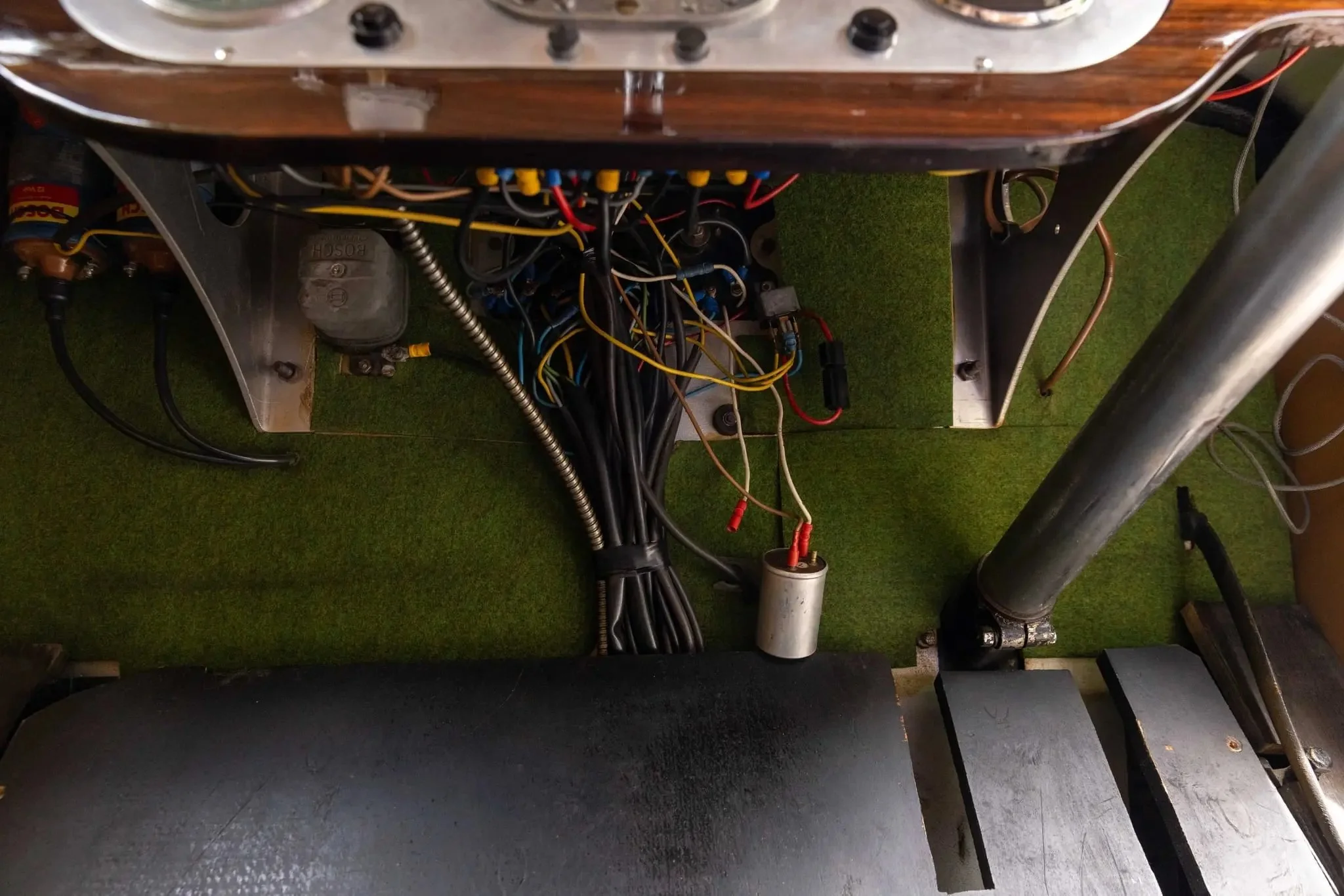 Image 31 of 31