This 1971 Rover 3500S is a US-spec example that was purchased new by the late owner at Bolen Imports of Oklahoma City, Oklahoma. It is powered by a 3.5-liter aluminum V8 equipped with dual SU carburetors and is finished in brown over tan vinyl upholstery. Equipment includes a three-speed automatic transmission, power-assisted four-wheel disc brakes, power steering, independent front suspension, 14″ steel wheels, bright styled wheel covers, and an Icelert temperature and humidity sensor as well as front bucket seats, power windows, and a push-button AM radio. This Rover is now offered on dealer consignment on behalf of the late owner’s estate with service records, maintenance and workshop manuals, a tool kit, a car-show award, and an Oklahoma title.
Designed by David Bache, the internally dubbed P6 featured a unibody structure with quad headlights and a horizontal grille. North American Dollar Area (NADA) models were equipped with a grille-mounted Icelert warning device (a.k.a. “penguin detector”) that was designed to detect the low-temperature, high-humidity conditions favorable for the formation of road ice.
V8-powered NADA-bound examples also featured triple hood scoops going to an airbox feed and dual vents with summer/winter louvers that could be manually rotated to help manage the engine’s temperature.
The body of this car is finished in Tobacco Leaf and features full-length body-side moldings, dual side mirrors, rear mud flaps, and chrome bumpers with rubber-faced guards. Dings and other imperfections are visible in the photo gallery below.
Black-painted 14″ steel wheels wearing bright styled covers are mounted with Hankook Optimo H724 tires. The P6 design incorporated a bell-crank independent front suspension with lower control arms, upper leading arms, vertical tube shocks, and bulkhead-connected horizontal springs, while a modified De Dion sliding tube was employed at the rear in conjunction with trailing arms, coil springs, hydraulic dampers, and a Watt’s linkage. The steering is power assisted, as are four-wheel disc brakes that are mounted inboard at the rear. The seller tells us that the brakes were serviced in preparation for the sale.
The cabin features tan vinyl front bucket seats and a two-place rear bench with a folding center armrest, and woodgrain accents adorn the color-coordinated door panels and contrasting black dashboard. Amenities include power windows, front headrests, front and rear three-point seatbelts, a heater, a Kienzle clock, and a push-button AM radio. Air-conditioning equipment is present but does not blow cold air. Close-up photos that show cracks in the vinyl of the front seating surfaces can be viewed in the gallery.
The black-leather-wrapped steering wheel fronts a Jaeger 140-mph speedometer, a matching 6k-rpm tachometer, and gauges for amperage, oil pressure, fuel level, and coolant temperature. The five-digit odometer shows 65k miles, approximately 20 of which were driven by the selling dealer.
The 3.5-liter aluminum V8 was derived from the Buick 215 and was factory rated at 184 horsepower and 226 lb-ft of torque as configured for North America with dual SU carburetors. Power is delivered to the rear wheels through a floor-shifted Borg-Warner three-speed automatic transmission.
The car is accompanied by service records, maintenance and workshop manuals, a tool kit, and a 1995 car-show award.
The 1981-issued Oklahoma title is noted to be a duplicate document.
Chassis: 43301962A
65k Miles Shown
3.5-Liter V8
Dual SU Carburetors
Three-Speed Automatic Transmission
Tobacco Leaf Paint
Icelert Temperature/Humidity Sensor
Triple Hood Scoops
Tan Vinyl Upholstery
Front Bucket Seats
Power Windows
Push-Button AM Radio
14" Steel Wheels w/Bright Covers
Power Steering
Power Four-Wheel Disc Brakes
Independent Suspension
This 1971 Rover 3500S is a US-spec example that was purchased new by the late owner at Bolen Imports of Oklahoma City, Oklahoma. It is powered by a 3.5-liter aluminum V8 equipped with dual SU carburetors and is finished in brown over tan vinyl upholstery. Equipment includes a three-speed automatic transmission, power-assisted four-wheel disc brakes, power steering, independent front suspension, 14″ steel wheels, bright styled wheel covers, and an Icelert temperature and humidity sensor as well as front bucket seats, power windows, and a push-button AM radio. This Rover is now offered on dealer consignment on behalf of the late owner’s estate with service records, maintenance and workshop manuals, a tool kit, a car-show award, and an Oklahoma title.
Designed by David Bache, the internally dubbed P6 featured a unibody structure with quad headlights and a horizontal grille. North American Dollar Area (NADA) models were equipped with a grille-mounted Icelert warning device (a.k.a. “penguin detector”) that was designed to detect the low-temperature, high-humidity conditions favorable for the formation of road ice.
V8-powered NADA-bound examples also featured triple hood scoops going to an airbox feed and dual vents with summer/winter louvers that could be manually rotated to help manage the engine’s temperature.
The body of this car is finished in Tobacco Leaf and features full-length body-side moldings, dual side mirrors, rear mud flaps, and chrome bumpers with rubber-faced guards. Dings and other imperfections are visible in the photo gallery below.
Black-painted 14″ steel wheels wearing bright styled covers are mounted with Hankook Optimo H724 tires. The P6 design incorporated a bell-crank independent front suspension with lower control arms, upper leading arms, vertical tube shocks, and bulkhead-connected horizontal springs, while a modified De Dion sliding tube was employed at the rear in conjunction with trailing arms, coil springs, hydraulic dampers, and a Watt’s linkage. The steering is power assisted, as are four-wheel disc brakes that are mounted inboard at the rear. The seller tells us that the brakes were serviced in preparation for the sale.
The cabin features tan vinyl front bucket seats and a two-place rear bench with a folding center armrest, and woodgrain accents adorn the color-coordinated door panels and contrasting black dashboard. Amenities include power windows, front headrests, front and rear three-point seatbelts, a heater, a Kienzle clock, and a push-button AM radio. Air-conditioning equipment is present but does not blow cold air. Close-up photos that show cracks in the vinyl of the front seating surfaces can be viewed in the gallery.
The black-leather-wrapped steering wheel fronts a Jaeger 140-mph speedometer, a matching 6k-rpm tachometer, and gauges for amperage, oil pressure, fuel level, and coolant temperature. The five-digit odometer shows 65k miles, approximately 20 of which were driven by the selling dealer.
The 3.5-liter aluminum V8 was derived from the Buick 215 and was factory rated at 184 horsepower and 226 lb-ft of torque as configured for North America with dual SU carburetors. Power is delivered to the rear wheels through a floor-shifted Borg-Warner three-speed automatic transmission.
The car is accompanied by service records, maintenance and workshop manuals, a tool kit, and a 1995 car-show award.
The 1981-issued Oklahoma title is noted to be a duplicate document.
Chassis: 43301962A
65k Miles Shown
3.5-Liter V8
Dual SU Carburetors
Three-Speed Automatic Transmission
Tobacco Leaf Paint
Icelert Temperature/Humidity Sensor
Triple Hood Scoops
Tan Vinyl Upholstery
Front Bucket Seats
Power Windows
Push-Button AM Radio
14" Steel Wheels w/Bright Covers
Power Steering
Power Four-Wheel Disc Brakes
Independent Suspension
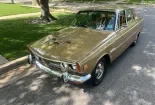 Image 1 of 80
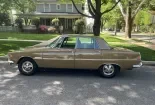 Image 2 of 80
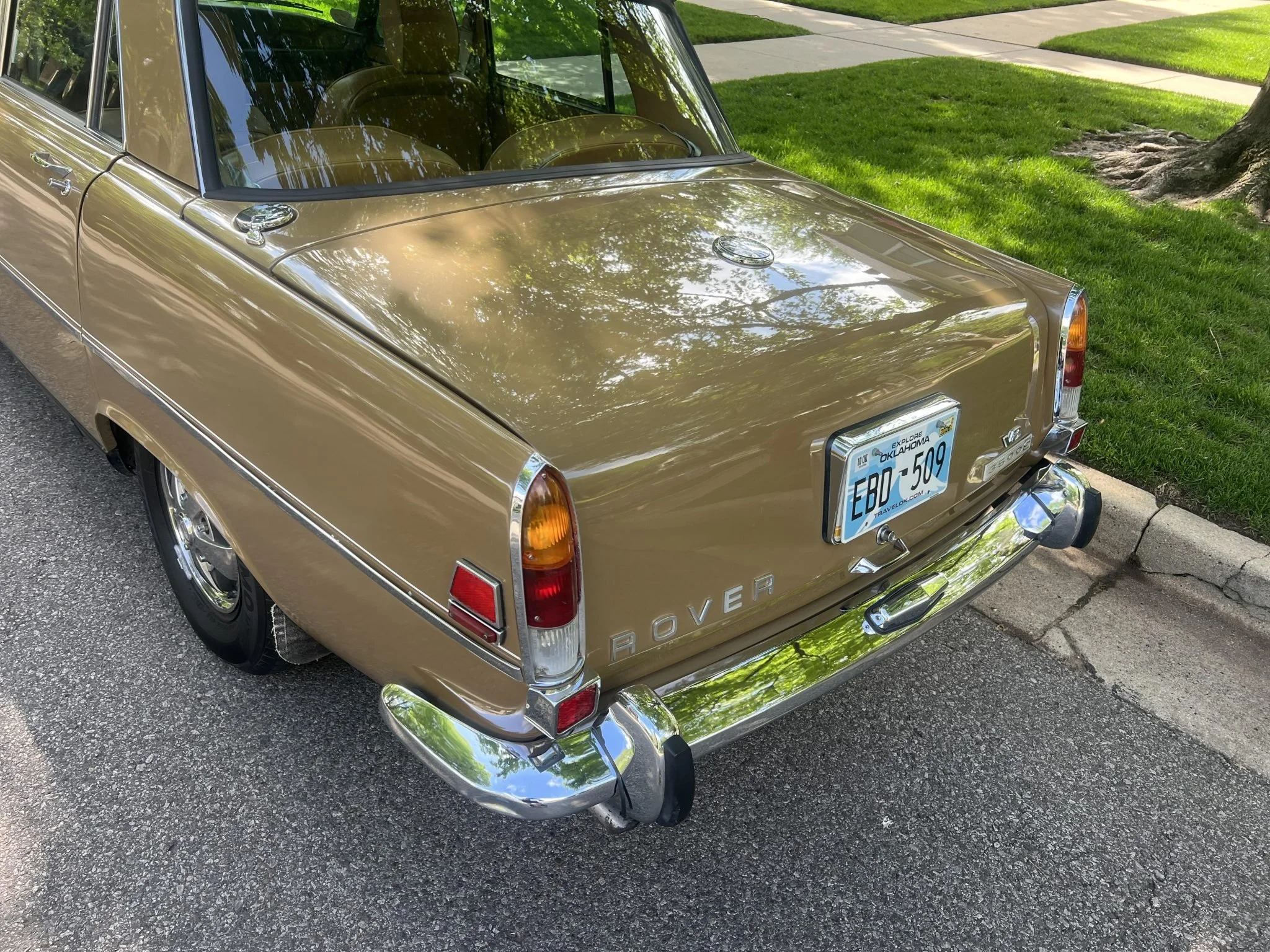 Image 3 of 80
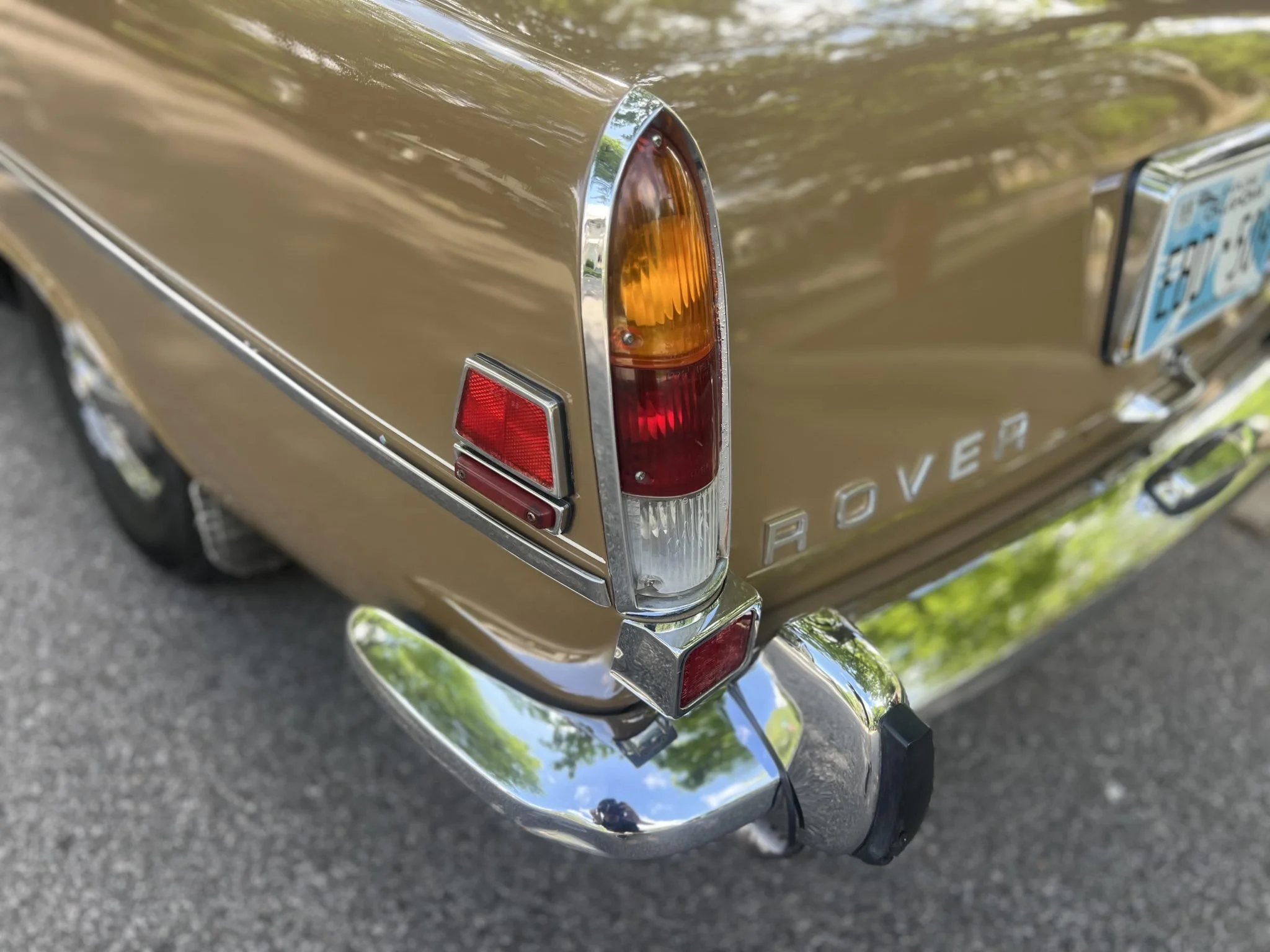 Image 4 of 80
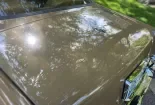 Image 5 of 80
 Image 6 of 80
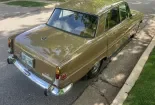 Image 7 of 80
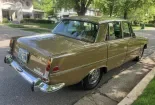 Image 8 of 80
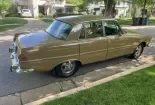 Image 9 of 80
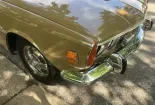 Image 10 of 80
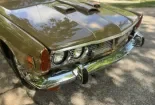 Image 11 of 80
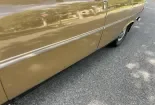 Image 12 of 80
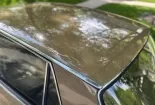 Image 13 of 80
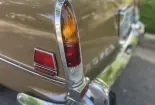 Image 14 of 80
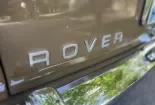 Image 15 of 80
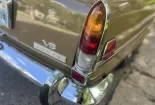 Image 16 of 80
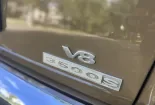 Image 17 of 80
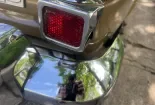 Image 18 of 80
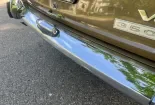 Image 19 of 80
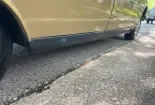 Image 20 of 80
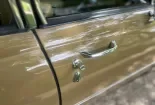 Image 21 of 80
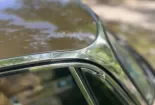 Image 22 of 80
 Image 23 of 80
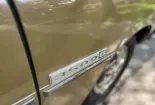 Image 24 of 80
 Image 25 of 80
 Image 26 of 80
 Image 27 of 80
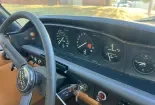 Image 28 of 80
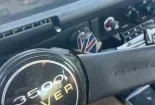 Image 29 of 80
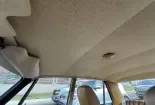 Image 30 of 80
 Image 31 of 80
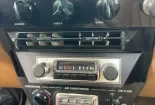 Image 32 of 80
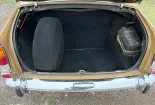 Image 33 of 80
 Image 34 of 80
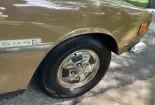 Image 35 of 80
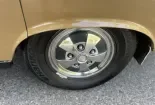 Image 36 of 80
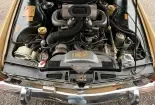 Image 37 of 80
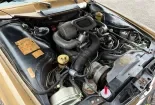 Image 38 of 80
 Image 39 of 80
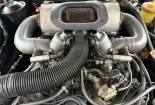 Image 40 of 80
 Image 41 of 80
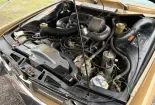 Image 42 of 80
 Image 43 of 80
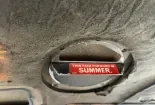 Image 44 of 80
 Image 45 of 80
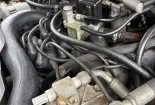 Image 46 of 80
 Image 47 of 80
 Image 48 of 80
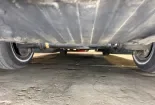 Image 49 of 80
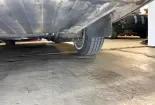 Image 50 of 80
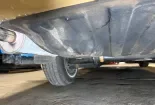 Image 51 of 80
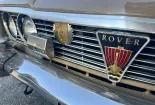 Image 52 of 80
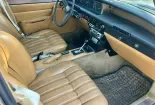 Image 53 of 80
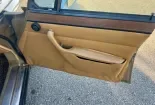 Image 54 of 80
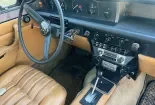 Image 55 of 80
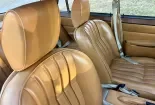 Image 56 of 80
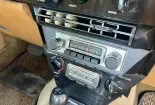 Image 57 of 80
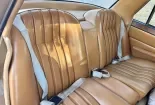 Image 58 of 80
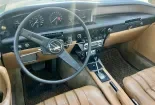 Image 59 of 80
 Image 60 of 80
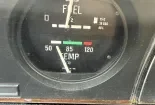 Image 61 of 80
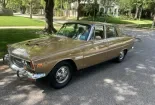 Image 62 of 80
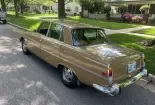 Image 63 of 80
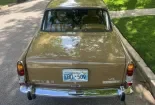 Image 64 of 80
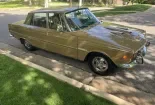 Image 65 of 80
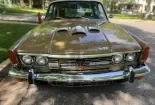 Image 66 of 80
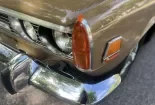 Image 67 of 80
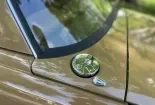 Image 68 of 80
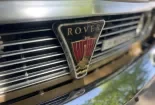 Image 69 of 80
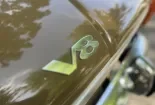 Image 70 of 80
 Image 71 of 80
 Image 72 of 80
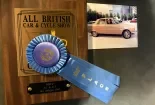 Image 73 of 80
 Image 74 of 80
 Image 75 of 80
 Image 76 of 80
 Image 77 of 80
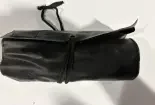 Image 78 of 80
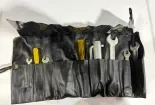 Image 79 of 80
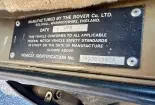 Image 80 of 80